There is also a plan with an airline ticket.



6 Eras of Akihabara: Akiba.TV
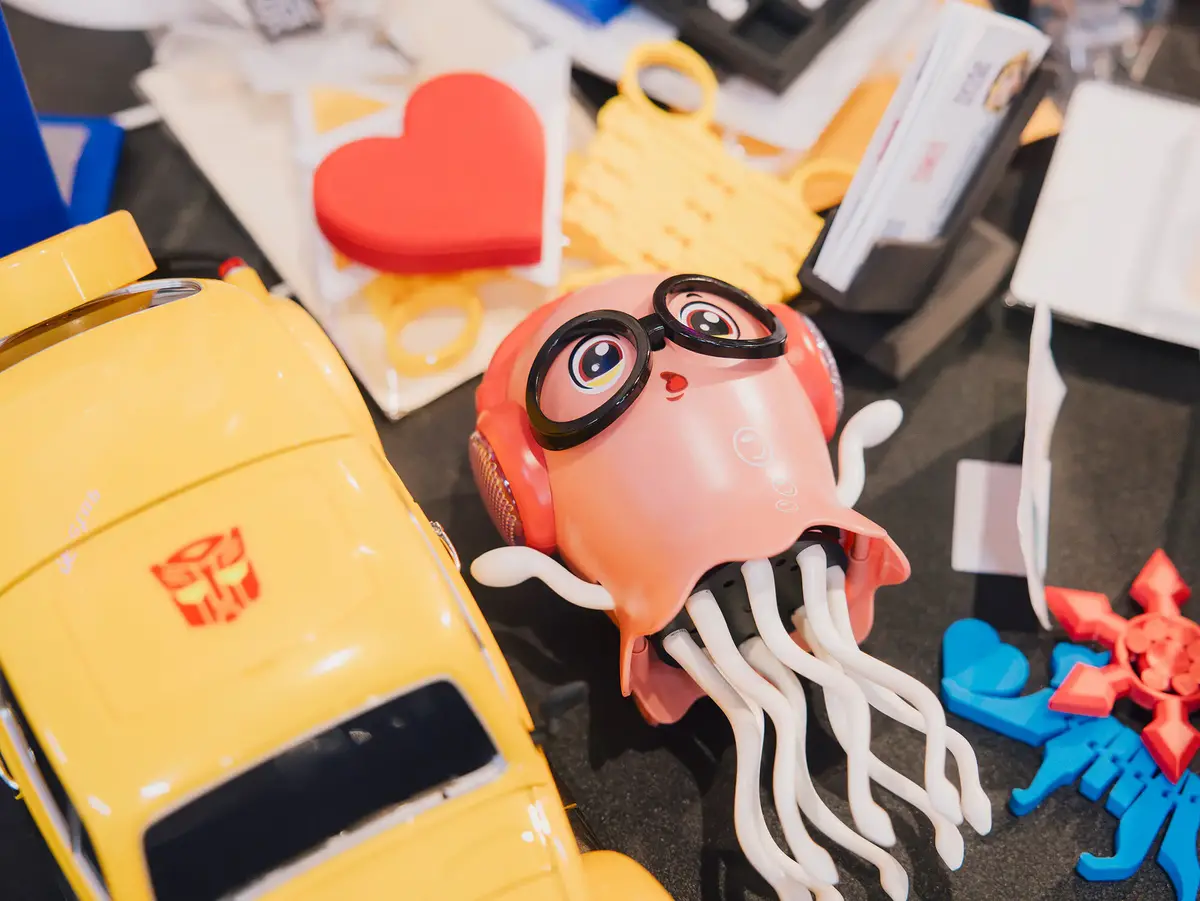
For this interview, we spoke with Yuichiro Yoshioka, President and CEO of Akiba.TV Inc., about Akihabara's Electric Town during the 1990s and early 2000s.
Akihabara and Me
I first got involved with Akihabara when I was in junior high school. I'm 48 now, so that was about 35 years ago. Back then, Akihabara wasn't known as an otaku town yet. What stood out was that there were hardly any women around. It was a place where groups of computer and electronics enthusiasts gathered, and the crowd was overwhelmingly male. There weren't many places to eat, either. It wasn't a tourist destination. It was a specialty district, a true "Electric Town." It was a niche place that only people in the know visited.
A major turning point came in 1995 with the release of Windows 95. Microsoft launched the operating system simultaneously around the world at midnight, and people lined up in Akihabara to get it. That drew media attention and brought Akihabara into the spotlight.
The people visiting Akihabara at the time were all passionate about PCs and gadgets. Information wasn't readily available online, so you came to the stores to get it. You'd exchange information with shop owners, meet people who shared the same interests, and make friends along the way. There was even a little sense of pride in being part of that community.
- Would you say Akihabara itself was almost like a real-world version of the internet back then?
In a lot of ways, yes. Everything was connected through small hubs. If something caught your interest, you'd head to the next building and keep exploring. What always fascinated me was that Akihabara's communities were very "vertical." Different interests occupied different floors and buildings. Communities formed around specific niches, but there wasn't much horizontal connection between them.
- That sounds similar to online forums like 2channel. The structure of those communities may have reflected the structure of the town itself.
Exactly. Message boards were divided into highly specific categories, and people would spend hours discussing one topic. It matched Akihabara perfectly. In a way, the town felt like a physical manifestation of the internet before the internet became mainstream.
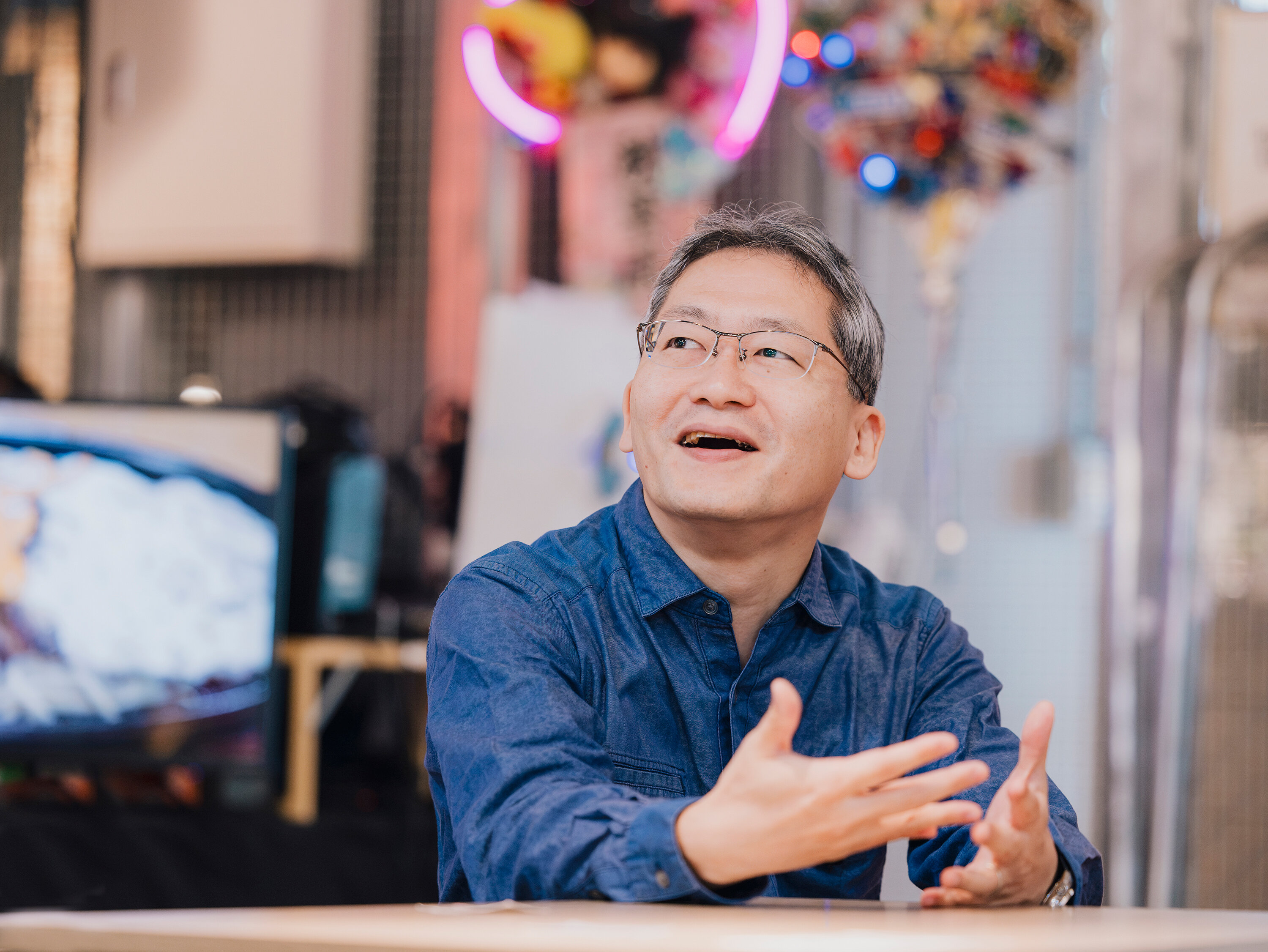
Anime, Films, and Idol Culture
1995 was also the year Neon Genesis Evangelion first aired. I was in high school, while the protagonist, Shinji Ikari, was in middle school. It was that stage of life when you're thinking about your future, worrying about exams, and dealing with all kinds of emotions. I felt a strong connection with the character. When the movie was released, I actually showed up and started lining up three days before the premiere. The theater staff eventually felt sorry for me and allowed me inside the night before the screening started.
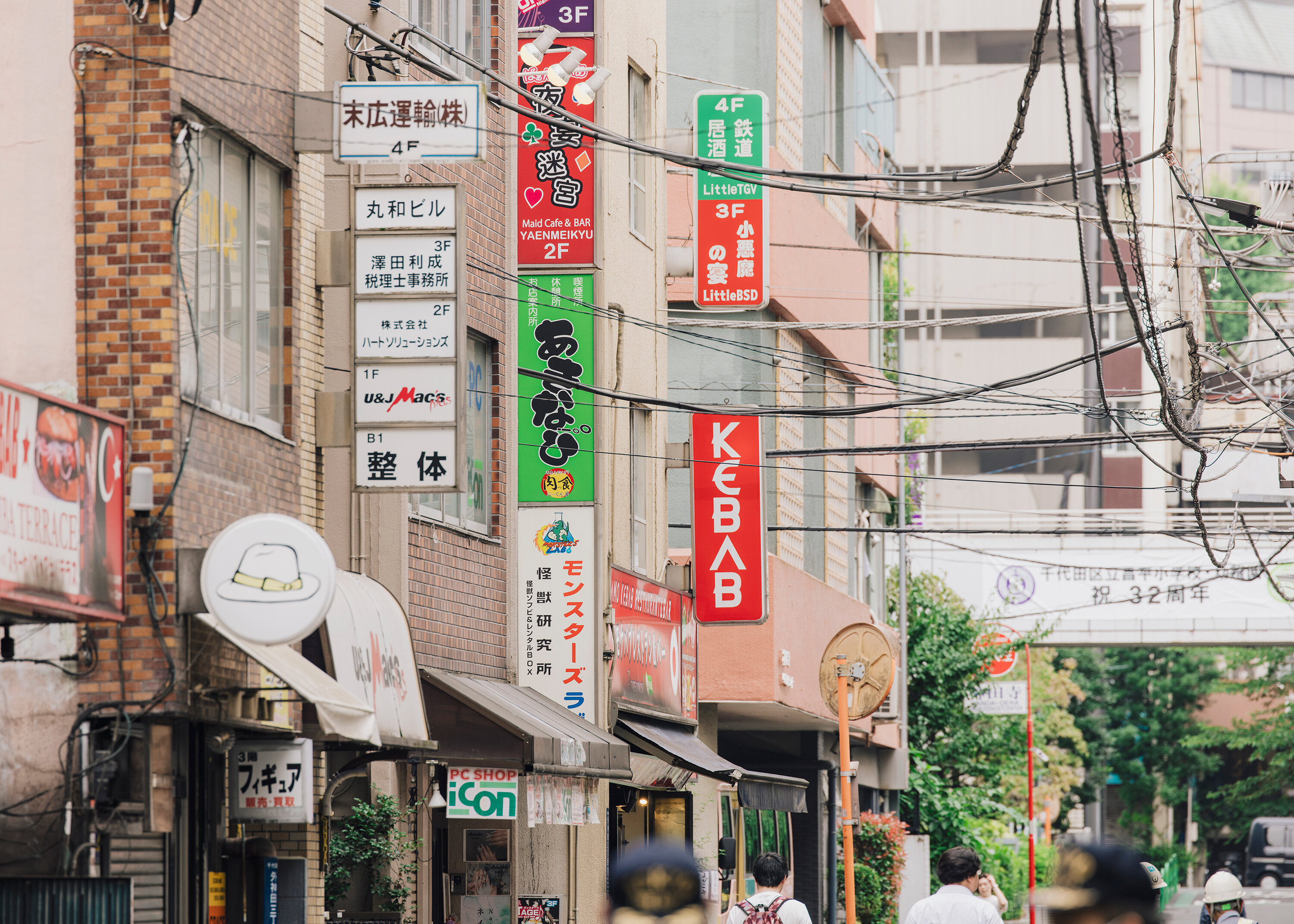
As the 2000s began, Akihabara started changing. The movie Train Man (Densha Otoko) came out in 2005, and later AKB48 emerged. Idol culture and mass media began shaping the image of the district. More women started visiting, and the atmosphere changed significantly. At the same time, rapid change has always been part of Akihabara's identity. You constantly have to update your knowledge to keep up. I organize Akihabara tours today, and honestly, this is still a difficult town to understand. It's much easier than it used to be, but many of the interesting places are still hidden away. Maid cafés, for example, are often tucked away on upper floors of ordinary buildings. Part of the fun is that you have to venture a little deeper to find them. Walking around Akihabara feels a bit like playing Dragon Quest. The whole town is one giant treasure hunt.
From Black Markets to Fan Culture: Akihabara's Cycle of Innovation
The area where UDX stands today used to be the former Kanda Market. Later it became a basketball court and event space where exhibitions like AKIBAX were held. New consumer electronics and digital cameras were displayed there, and just seeing all the latest gadgets was exciting. It felt like a bright, modern version of a black market.
The same spirit lives on in events like comic and fan conventions. People bring things they're passionate about, things they've created themselves, and gather to share them with others. Then the pandemic hit. International visitors disappeared almost overnight. The city struggled, and we couldn't even run our tours. When the pandemic ended, overseas visitors suddenly returned in large numbers, and the city adapted quickly to meet that demand. More restaurants opened, and Akihabara became increasingly tourist-oriented. While that's exciting, it also comes with challenges.
At its core, Akihabara is a town of makers. People discover new, unproven ideas. Early adopters gather. Communities form. Users provide feedback, and manufacturers listen and build something new. That culture still exists today. That's why I think the sense of excitement that comes from discovering something you've never seen before is so important. Chain stores are increasing, and that's why I try to be mindful of preserving what makes Akihabara unique, so it never becomes a place where people say, "This could be anywhere."
- You're almost acting as a curator for the city.
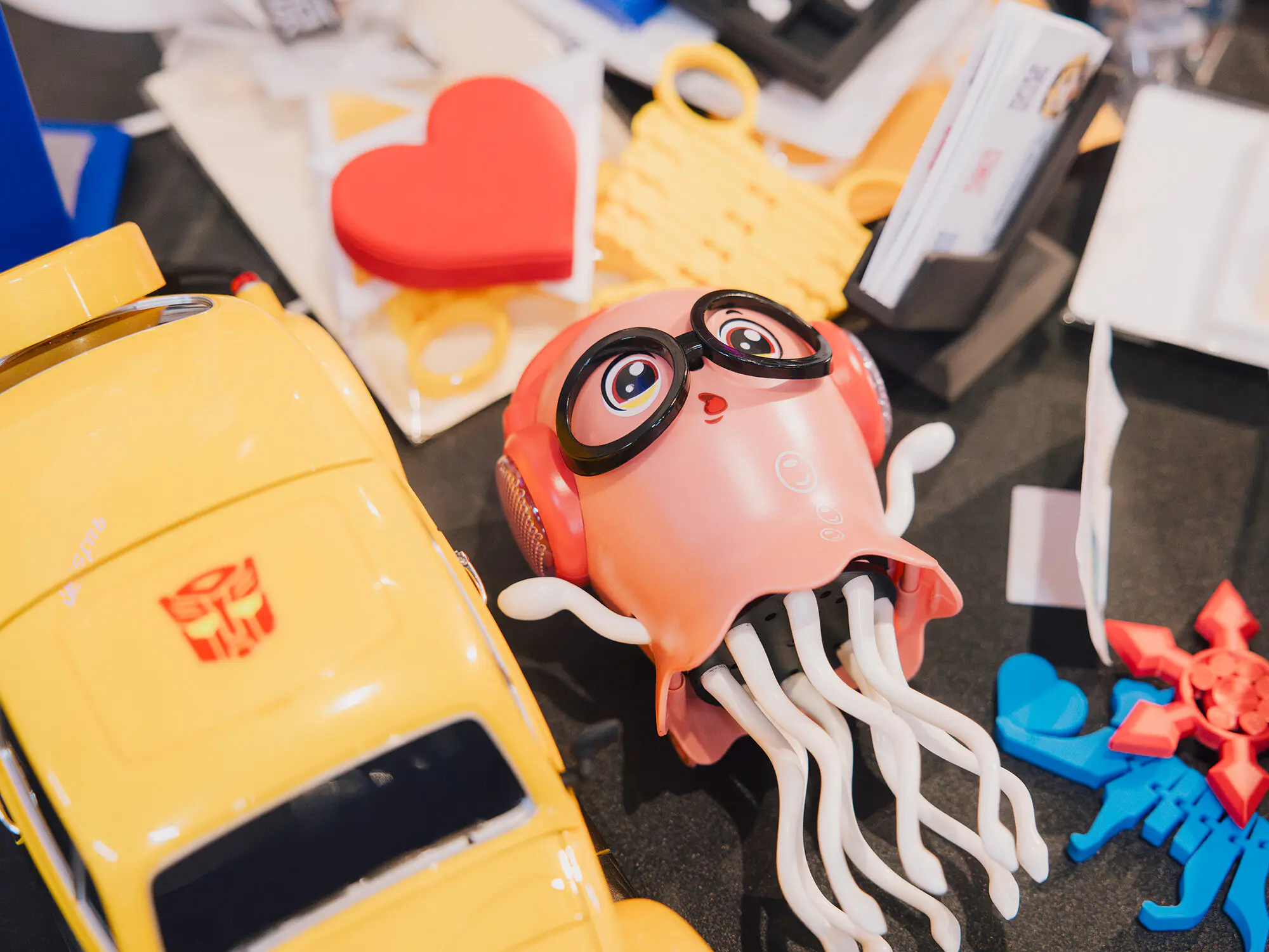
I'd like to think so. That's one of the reasons we organize Akihabara tours for international visitors. A lot of visitors have never experienced the original Electric Town culture. I want people to understand why this place exists and why touching, testing, and experiencing things in person can be much more exciting than buying them online. That's why all the robots we have on display are meant to be touched and interacted with. Honestly, I tell people, "Go ahead and play with them. It's okay if you break one!"
That's the kind of excitement Akihabara used to have. You'd chat with a shop owner, and they'd disappear into the back room and return with something amazing to show you.
I'd love to see more places like that. To me, that's what Akihabara is all about.
Akihabara: A Town Built on Communication
We also run a VTuber-themed walking tour called Akiba V Tour. Most participants only know the VTuber through their smartphone screens, but they join because they want to meet and talk to them in person. What's interesting is that the participants often know each other's online usernames even though they've never actually met. I always think that's wonderful. By that point, it's no longer just about the VTuber. It's about the connections people make with each other. That feels very Akihabara to me.
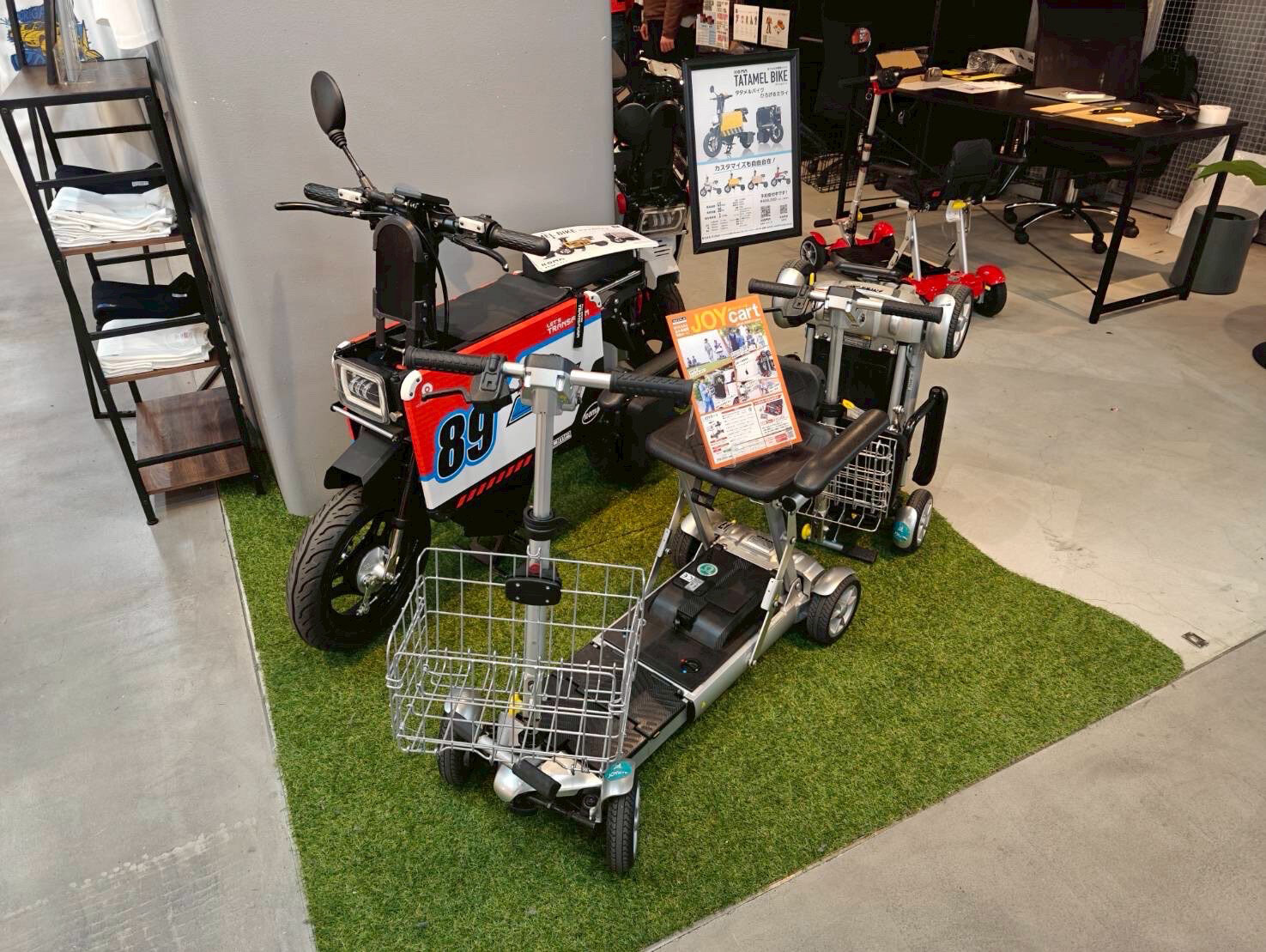
We also work with a mobility device called the JOY Cart, which is based on wheelchair technology. Anyone can ride it regardless of age or physical ability. Wheelchairs are often seen as something special or limiting, but this is different. It's portable, fun, and people look at it and think, "That looks cool." I think it can transform something often viewed negatively into a positive experience.
- Do you consciously try to turn challenges into something enjoyable or positive?
I think so. We used to run a public broadcasting studio, and there was a viewer who had been watching for years but rarely left home. One day, he gathered the courage to come all the way from Yokohama to visit us in Akihabara. He seemed uncomfortable talking to people at first, but after the event he was chatting with everyone. When he told me, "I had a great time today," it made me incredibly happy. I love moments like that. Sometimes all people need is a small opportunity to step beyond their comfort zone. For some reason, Akihabara feels like a place where that's possible. Even I get nervous when I go to places like Shibuya, but Akihabara feels welcoming. You can be an otaku, you can be yourself, and nobody really judges you for it. There's a kind of acceptance in this town that I think is very special.
Will Robots Shape the Future of Akihabara?
- Is there anything you'd particularly like to pursue in Akihabara going forward?
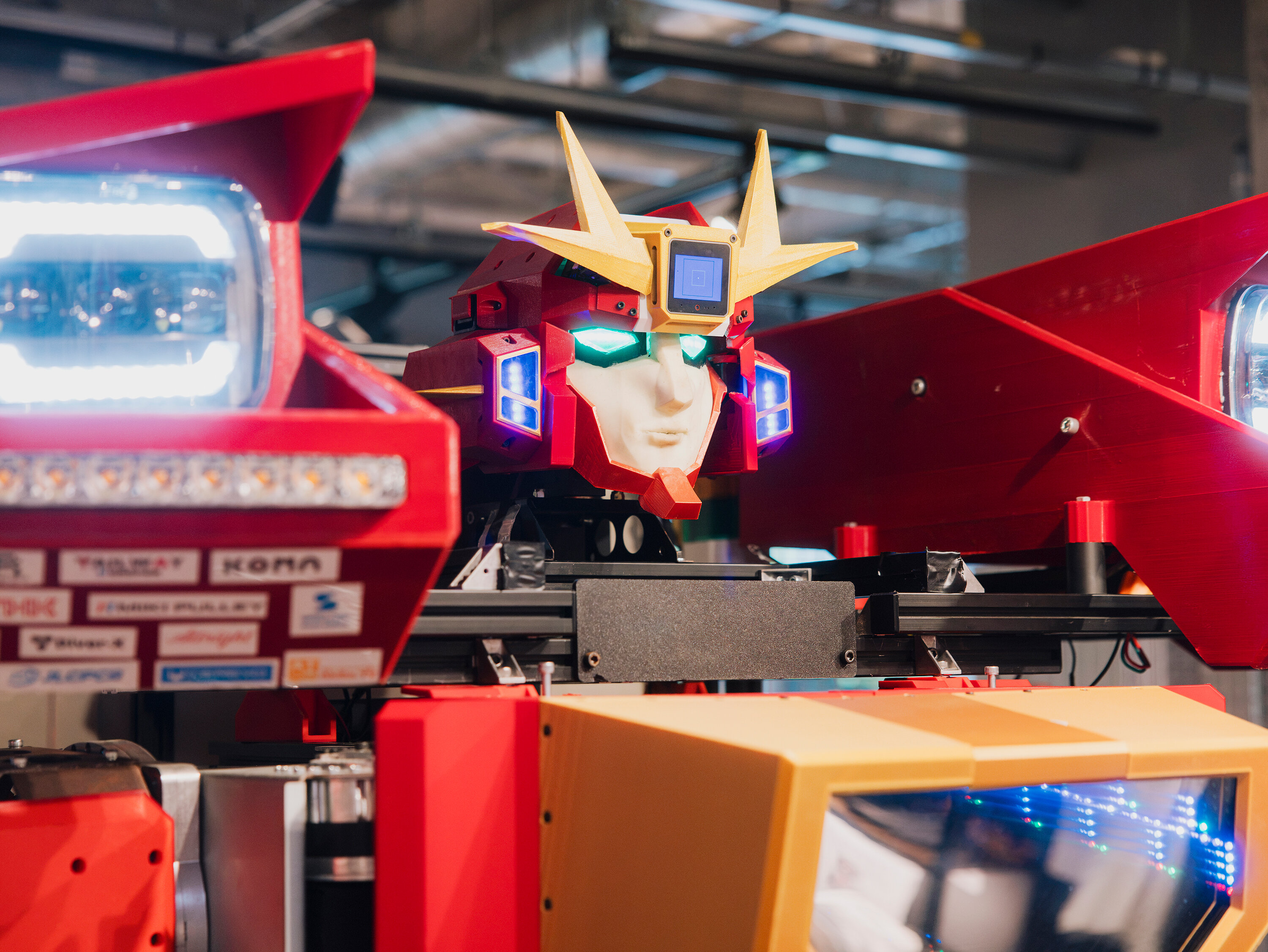
Definitely robots. There used to be quite a few robot shops in Akihabara, but many of them have disappeared. At the same time, robotics technology has advanced at an incredible pace. Years ago, getting a robot to walk on two legs was extremely difficult. Now we're reaching a point where small teams can build things that were once unimaginable. The robot you see here was developed by one of our collaborators. It doesn't have legs yet, but eventually it will walk on two legs and even transform into a road-going vehicle. We're essentially trying to create a real-life Transformer. I want Akihabara to be a place where those kinds of creative ideas are developed and shared with the world. And when it's finished, I'll be sure to drive it over to NOHGA HOTEL!
Akihabara continues to evolve, but some things remain unchanged. People gather here to share their passions, discover something new, and connect with others. As long as there are people like Yoshioka-san, whose eyes still light up with curiosity and excitement, Akihabara will continue looking toward the future.
Profile
President & CEO
Akiba.TV Inc.
Share this article


Nomura Real Estate Development Group
TOKYO
Other prefecture