There is also a plan with an airline ticket.



6 Eras of Akihabara: Nohga Hotel Akihabara Tokyo
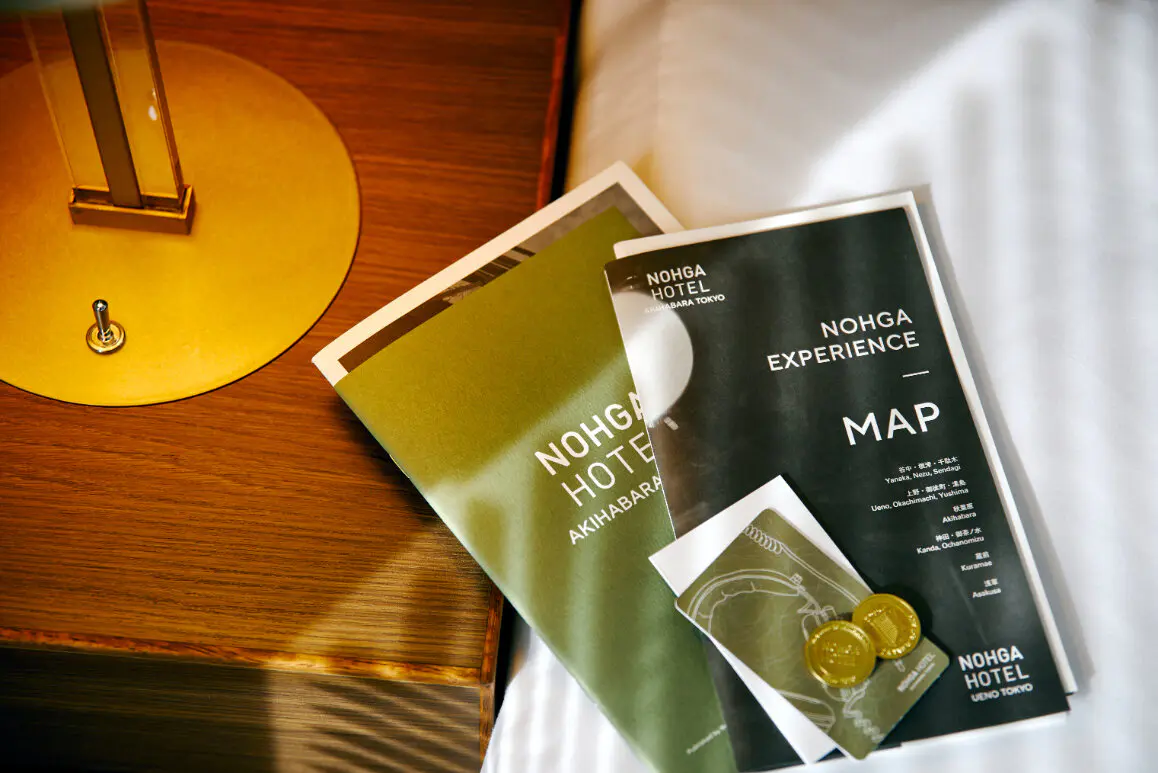
In this interview, we speak with Masaru, the General Manager of NOHGA HOTEL AKIHABARA TOKYO, about where Akihabara stands today and the story behind NOHGA HOTEL.
A Cityscape That Changes with Every Corner
- It's been four years since you took up your post at NOHGA HOTEL AKIHABARA TOKYO. What is your impression of the neighborhood?
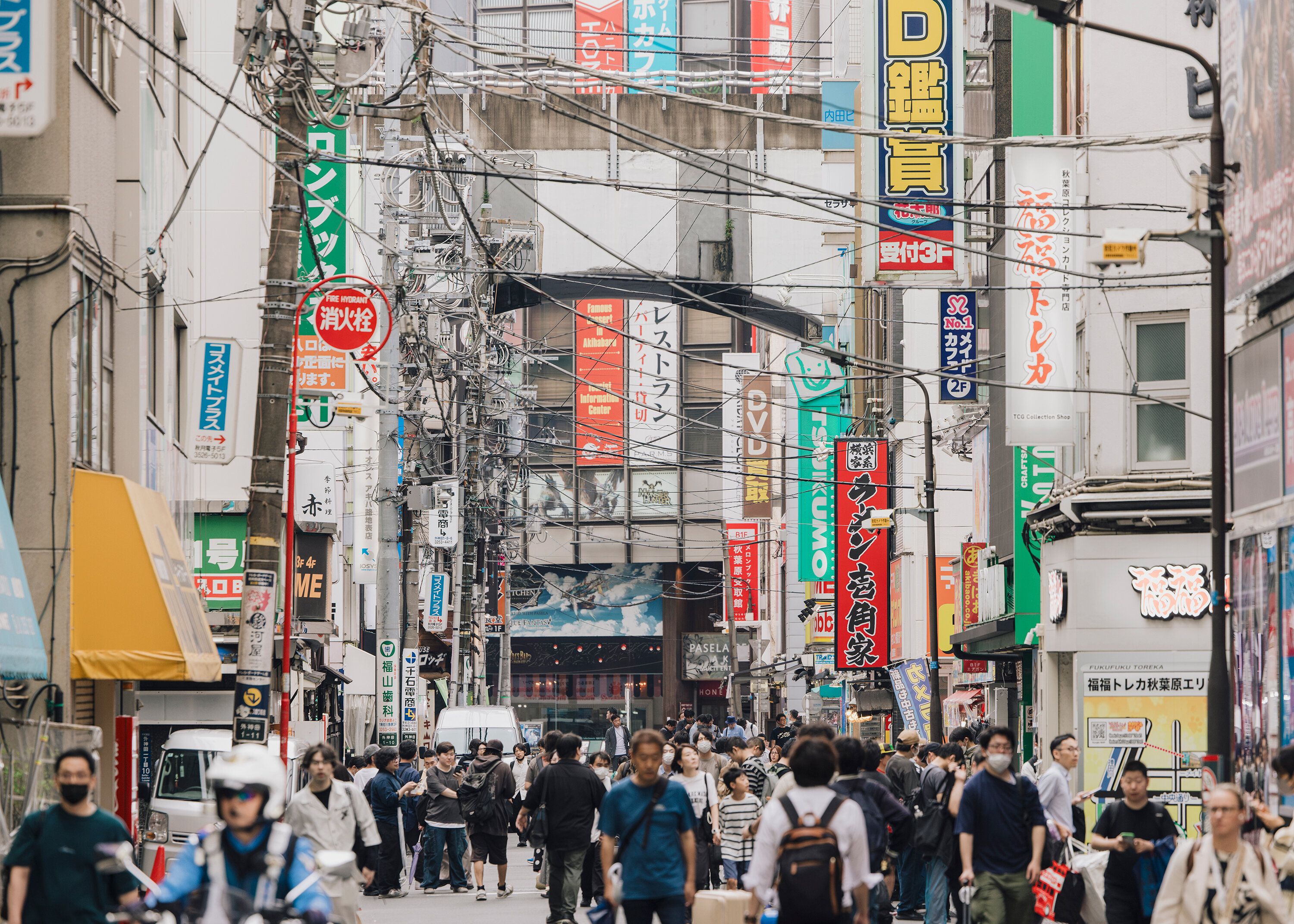
The first thing that struck me was just how many international visitors there are compared to other parts of Tokyo. Beyond that, it's a chaotic neighborhood. Turn a single corner, and the whole genre of shops completely shifts. Every street has its own distinct personality. The street right in front of our hotel is known as "Junk Street." As the name suggests, it's packed with shops selling secondhand electronics and computer parts. It's so famous that even taxi drivers know it by name. While the main streets are dominated by pop culture like figure shops, once you step into the back alleys, you'll find long-established local shops alongside niche specialty stores catering to true enthusiasts. I honestly think the deeper into the alleys you go, the more fascinating this town becomes. Ever since I moved here, I've been walking around the neighborhood a lot, and it's the kind of place where every corner you turn reshapes your perspective. The area right around the station is purely for tourism and commerce, but just outside that loop is a business district where people work, and further out is where people actually live. This hotel sits right in the middle of those overlapping worlds.
- Sitting right between the residential area, the commercial district, and Junk Street, you mentioned the word "niche" earlier. Are there specific moments when you really feel you're standing right in that middle ground?
The entire atmosphere changes depending on which direction you walk. You can literally feel the face of the town switch using this hotel as the boundary. For instance, you rarely see international tourists on the west side, and the same goes once you head east past Suehirocho area. The local neighborhood association members usually gather around this area too, so walking around here feels like a tight-knit community where you constantly bump into people you know.
Becoming a Hotel Connected to the Community
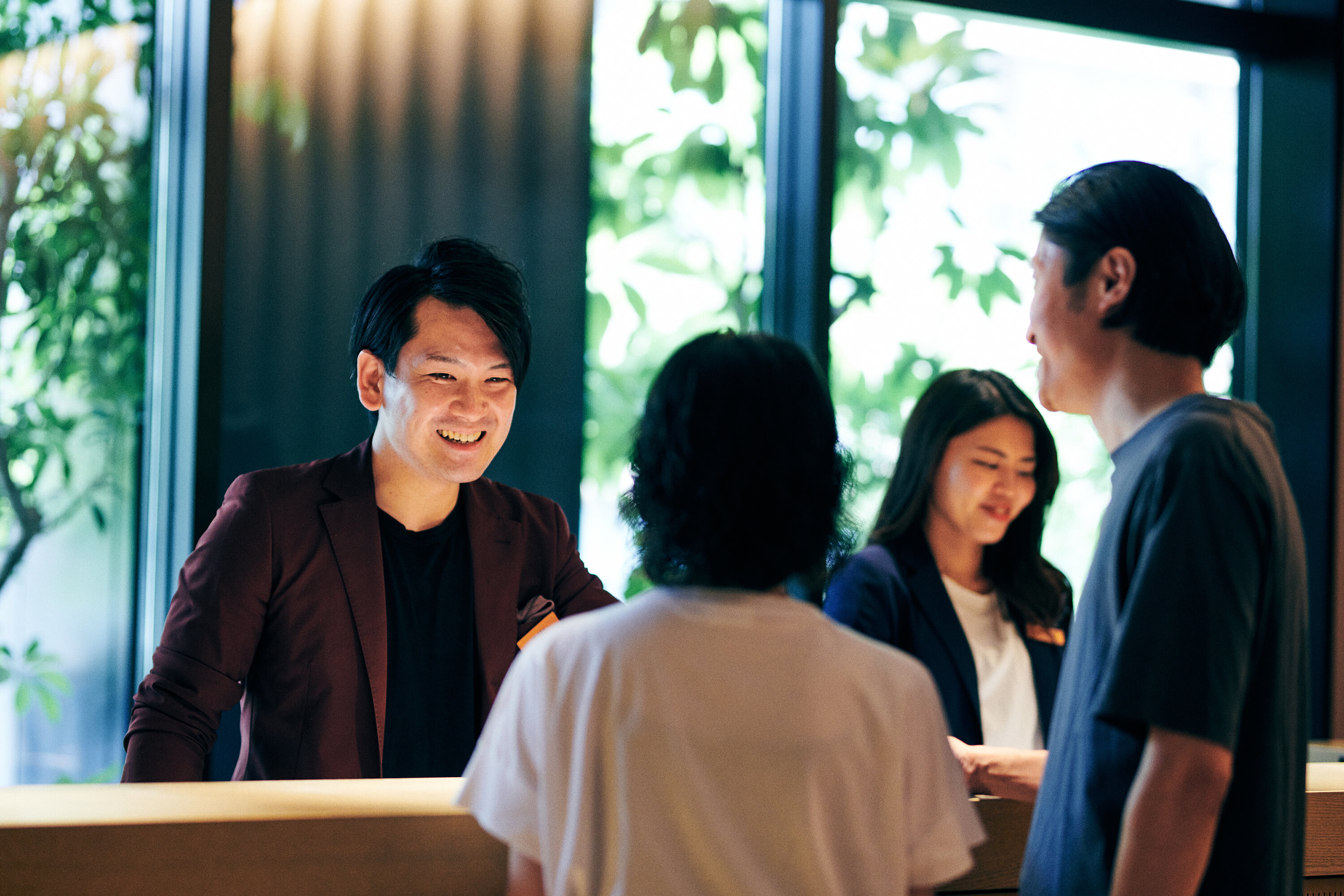
At NOHGA HOTEL, we place immense value on our connection with the local neighborhood. Even before opening, we made sure to properly introduce ourselves to local shops and the neighborhood association. Since opening, our team has actively participated in local events, festivals, and neighborhood cleanup drives. I even served as a board member for the neighborhood association for a full year last year. Whether it's a New Year's gathering or a casual get-together, I make it a point to show up and connect with everyone. Gradually, local residents started coming to our restaurant, and over the past few years, more and more people around town have begun warmly calling us "NOHGA-san."
- Is this proactive approach driven by your personal philosophy, or is it company policy?
Connecting with the local community is a core concept of our brand. We operate under the vision: "Energizing cities and inspiring people, starting from a single hotel." That's why, whenever we build a new hotel, we start by thoroughly walking the neighborhood. We greet hundreds of local shop owners and artisans, sharing our vision of the kind of hotel we want to create. From there, people who find our idea interesting join hands with us to create products, plan events, and build brand-new connections. This isn't unique to Akihabara, it's the exact same approach we take at our sister properties in Ueno and Kyoto.
Plus, on a personal level, I just love talking to people!
I'm connected with members of the neighborhood association on social media, and sometimes I get casual messages like, "Hey, wanna go grab a drink?" While each team member might have their own style, we genuinely value building personal relationships.
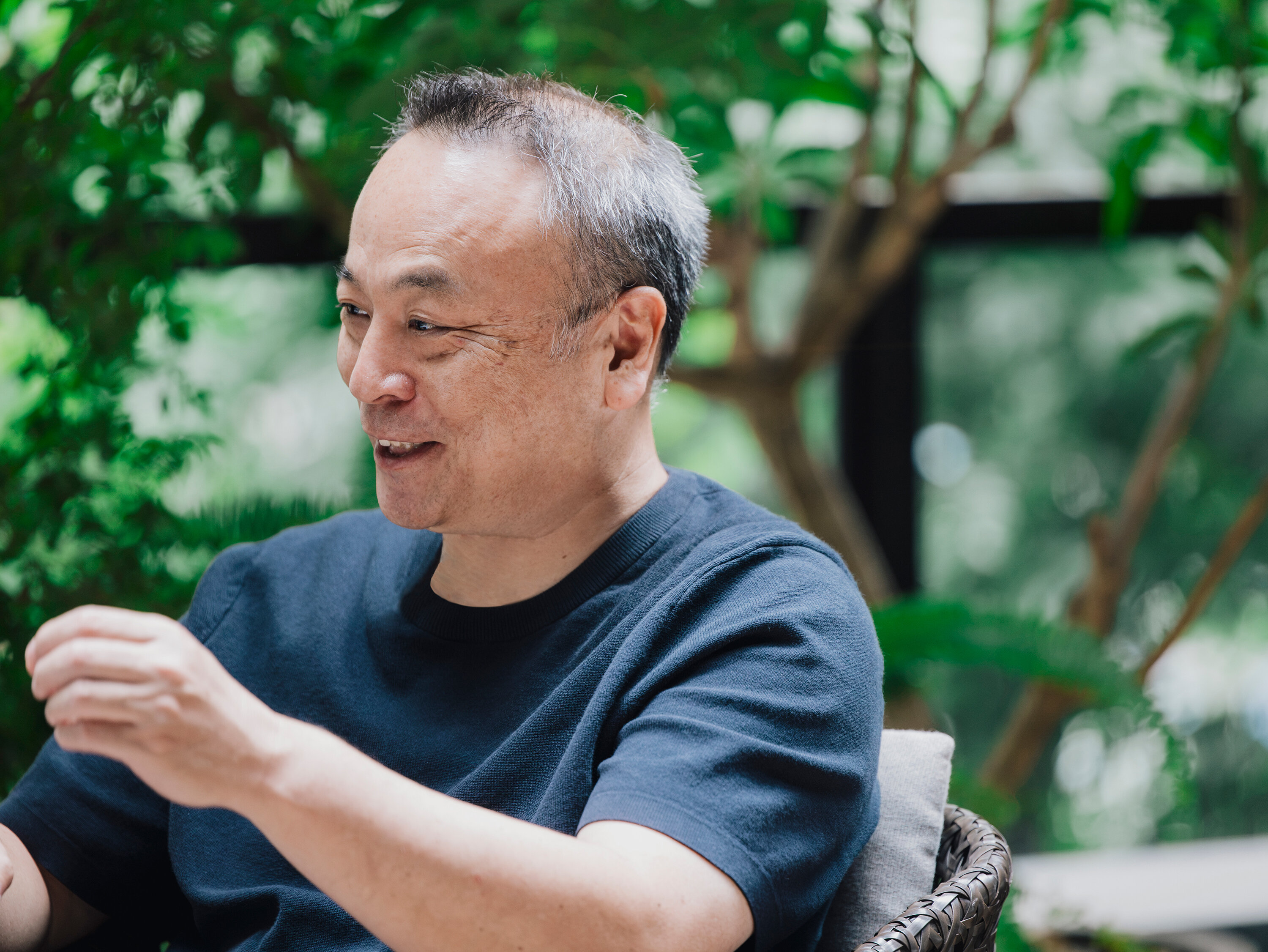
- So while there is a corporate philosophy behind it, your personal, proactive efforts are what turned these interactions into lasting community relationships.
I'd say our ties feel much stronger as a community than just business relationships. At the end of the day, it's about people connecting with people. If you click, you become friends. I've also served as General Manager here for three years, which is a relatively long time. The main Kanda Matsuri festival takes place only once every two years, so if someone is in this role for just two years, they might only experience it once. I've been fortunate enough to be involved multiple times. Moving forward, I'd love to make official NOHGA HOTEL hanten (traditional festival coats) for our team to wear, invite our guests to wear them too, and carry the portable shrine together during the festival.
Cultivating Neighborhood Specialists
- What are your future plans for the hotel?
Since we work in a corporate environment, transfers and rotations are inevitable. Still, I want to build a team full of local specialists who know specific aspects of this neighborhood inside and out. For example, if a guest asks for food recommendations, we can introduce a team member who is an expert on local dining. If someone wants to buy vinyl records or art, instead of pointing them to a mass retailer, we can direct them to a hidden vintage shop, or even say, "Shall I walk over with you?" That kind of approachable team is my ideal. NOHGA HOTEL isn't a massive hotel, so I want us to act as a vibrant hub that encourages our team to step out into the streets and bridges the gap between the town and our guests.
In fact, the drip coffee bags we place in our guest rooms were born from a team member's personal interaction with a local coffee shop. Great ideas aren't just what we prepare before opening; they continually emerge from new connections. Many of the items in our guest rooms are crafted by local artisans and businesses. It can be challenging for an independent local shop to reach an international audience on its own, but by featuring their work in our hotel rooms, travelers from all over the world get to experience it firsthand. If they love it, they can buy it and take it home. Creating products that form this positive cycle for both local shops and guests was one of the most inspiring aspects of joining this hotel group.
- Is there anything specific you keep in mind when developing your team?
The absolute most important thing to me is not erasing individual personality. When I was younger, I used to think, "Life would be so much easier if there were ten of me," because if everyone thought the same way, I wouldn't need to explain anything. But if you do that, you're left with only one single personality. Having ten distinct personalities among ten people is infinitely more interesting. At NOHGA HOTEL, we value projects that transcend language barriers through music, art, and food. We have team members with deep knowledge of music, others who are passionate about art, and some whose culinary expertise is second to none. I want to respect those individual traits, foster their strengths, and avoid forcing everyone into a uniform mold. As long as everyone masters the core fundamentals, we can respond to anything as a team. Whenever I talk with my team, I always make sure to tell them: "Never lose what makes you, you."
Despite claiming he doesn't do much, Masaru pours his heart and soul into communicating with both the neighborhood and his team. If you happen to spot him around the street corner, be sure to say hello!
Profile
General Manager
NOHGA HOTEL AKIHABARA TOKYO
Share this article


Nomura Real Estate Development Group
TOKYO
Other prefecture