There is also a plan with an airline ticket.



6 Eras of Akihabara: Neighborhood Association
In the first half of this interview, we speak with Tomoyuki Okayama of the Suehiro Neighborhood Association about Akihabara's history, from the Edo and Meiji periods through the years surrounding World War II and into modern times.
In the second half, we hear from Hideji Nakajima, also of the Suehiro Neighborhood Association, who shares his perspective on a community he has known since childhood, offering a broader view of the area's evolution.
The Great Kanto Earthquake and the Tokyo Air Raids
The area around Tokyo Station used to be called Mitsubishi-ga-Hara. After the fall of the Tokugawa Shogunate, people drifted back to their hometowns and the area became almost empty, overgrown with weeds. My grandfather was an Edo native, born in Shiba. He used to come to Mitsubishi-ga-Hara on errands as a child, and he would tell us how frightening it was walking home in the evening because racoon dogs roamed around there. He was apparently amazed, saying, "Someone is actually willing to pay money to buy land in a place like this!"
- So at the time it didn't really feel like the city center?
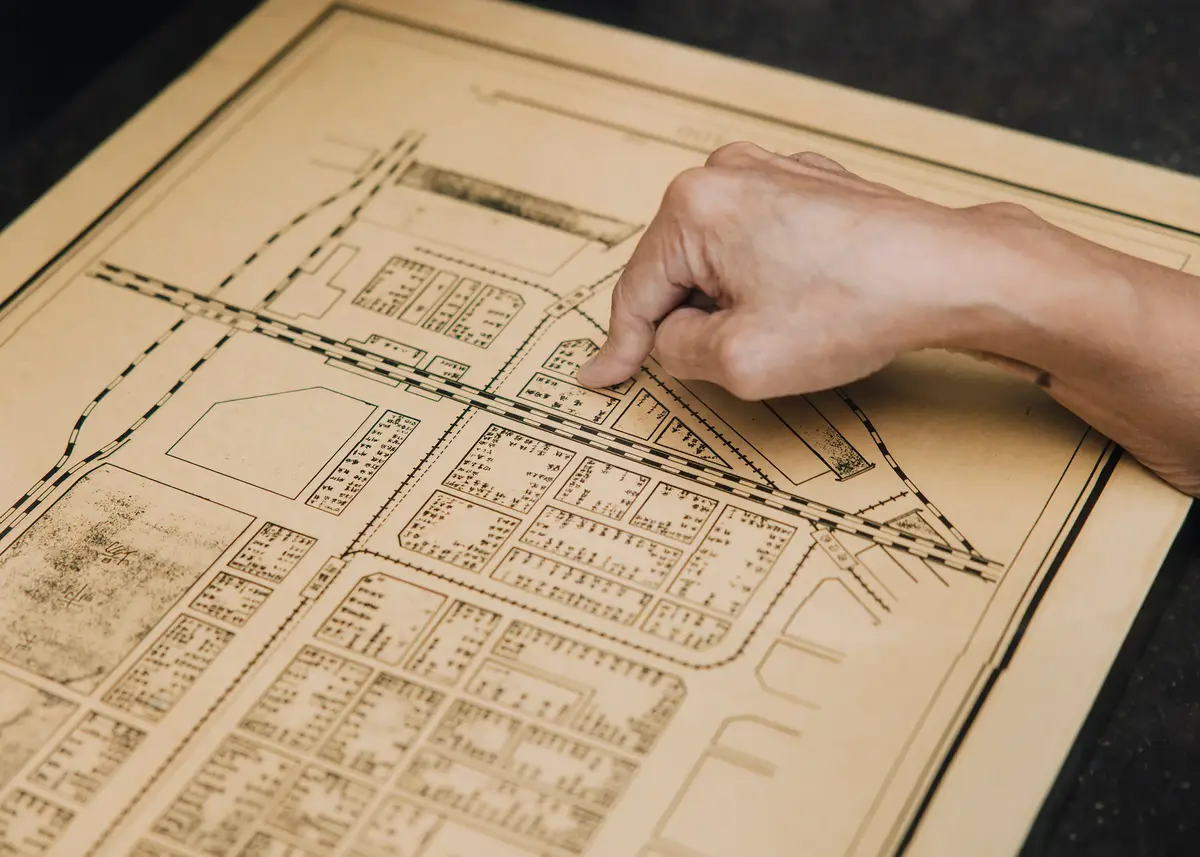
The thriving districts were places like Ueno and Nihonbashi. This area was essentially empty land sandwiched between prosperous neighborhoods. It's hard to imagine when you look at Tokyo Station or Otemachi today. During the Meiji era, military facilities lined the area from around Ochanomizu all the way to Ichigaya. Looking at old maps, you realize things like, "There used to be a hospital here," or "This was once a prison." The history becomes visible. From what I've heard, up until the Great Kanto Earthquake, Tokyo still felt very much like old Edo. It was only after the disaster that things changed dramatically.
- In addition to the earthquake, did the air raids during World War II also have a major impact?
Compared with the damage caused by the earthquake, the downtown areas of eastern Tokyo, including areas such as Kanda and Akihabara, suffered less from the air raids, but the destruction was still enormous. When people talk about the Tokyo air raids, they usually think of March 10. But I've heard that our neighborhood was actually bombed on January 1.
- On New Year's Day?
Perhaps it was some kind of test run. Everyone talks about March 10, but this neighborhood was hit a little earlier than that.
Sumo Wrestlers, Sushi, and the Kanda Market
Even today I'm involved with local summer Bon Odori dance festivals, but I've heard that in the past people built sumo rings for tournaments and even performed dojo sukui (a traditional fish-scooping dance).
- Had those traditions already disappeared by your time?
I suppose they still existed when I was very young, but I don't personally remember them. There must have been someone in the community who had connections with professional sumo wrestlers and invited them from Ryogoku.
- That's quite a story unique to this area.
Speaking of local characteristics, there used to be former Kanda Market here. Many people made their living and made good money. There were also a lot of sushi restaurants. People would finish work, take the cash they had just earned, and go eat sushi. That was simply the way things were in those days. Most sushi restaurants were concentrated around the market. There were eel and tempura restaurants as well, but those were common in many neighborhoods.
What's interesting is that although there were certainly people making a great deal of money from the market, the area never developed into a major nightlife district. Once work was over, people would head to Okachimachi to have fun. That's why the neighborhood never developed the atmosphere you find in places like Shinjuku or Kinshicho.
- Shinjuku certainly still bears traces of its postwar black markets.
This is just my own speculation, but perhaps it was because the Onari Kaido, the route taken by the shogun when traveling from Edo Castle to Kaneiji Temple, ran through the area. Maybe it was considered inappropriate to have entertainment or other adult-oriented establishments along the shogun's route.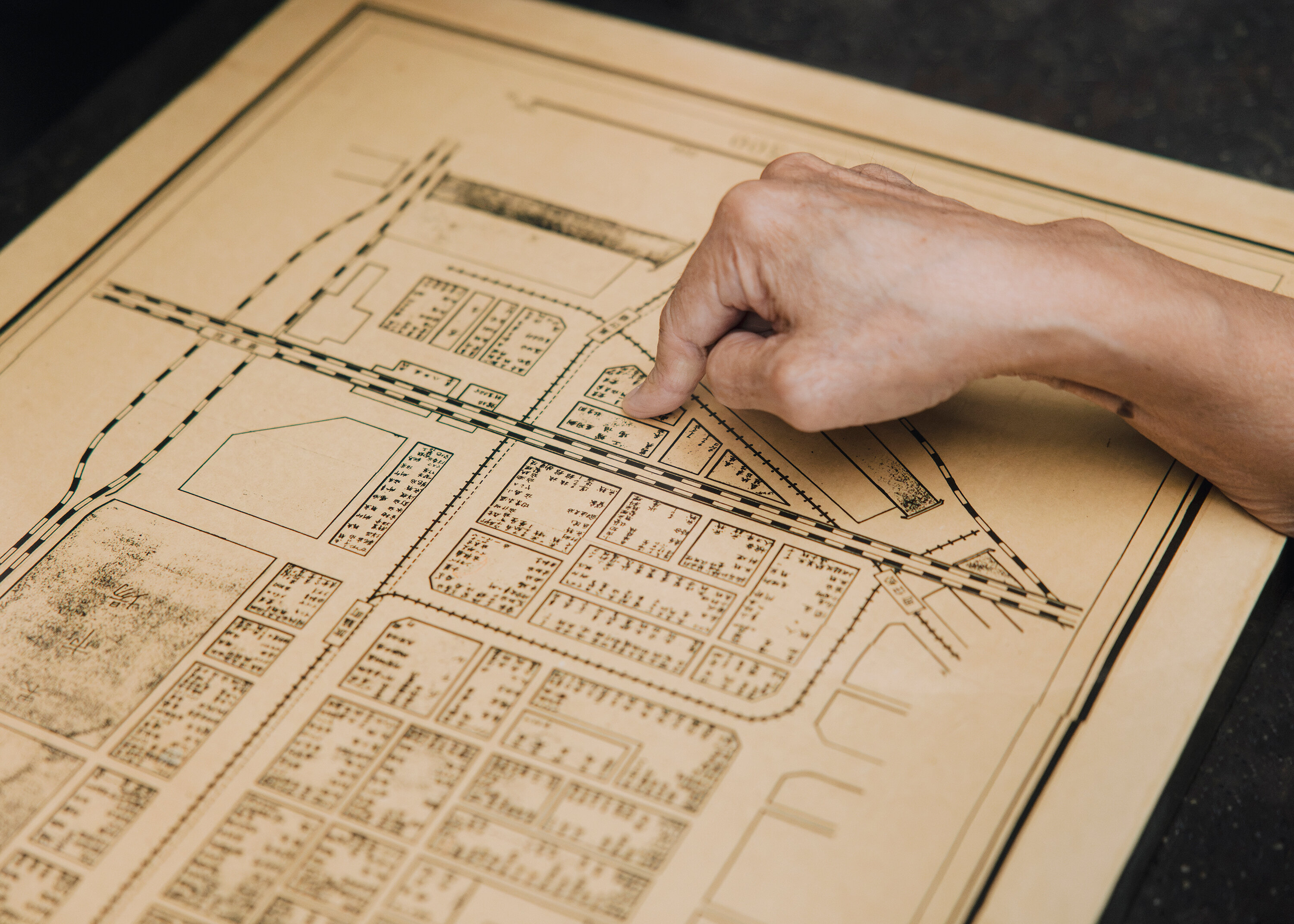
Trends, Social Movements, and an Era of Upheaval
- Do you have any particularly vivid memories from your childhood?
The Tokyo Olympics were held in 1964, and Expo '70 took place in Osaka. Up until around that time, I was always chasing the latest trends. I had an older brother and sister, so I naturally followed the television programs they watched and the singers they admired.
- It was also the period of the security treaty protests and the student movement, wasn't it?
I didn't really understand the political background, but I observed it as a social phenomenon. I attended Yushima Elementary School, and when students occupied Yasuda Auditorium at the University of Tokyo, there were days when we'd be told, "Classes are ending early today. Go home." This area was undoubtedly influenced by the presence of the University of Tokyo. But I was only an elementary school student, so I didn't really understand what was happening. We would put on helmets, grab sticks, and play games that mimicked the clashes we saw around us.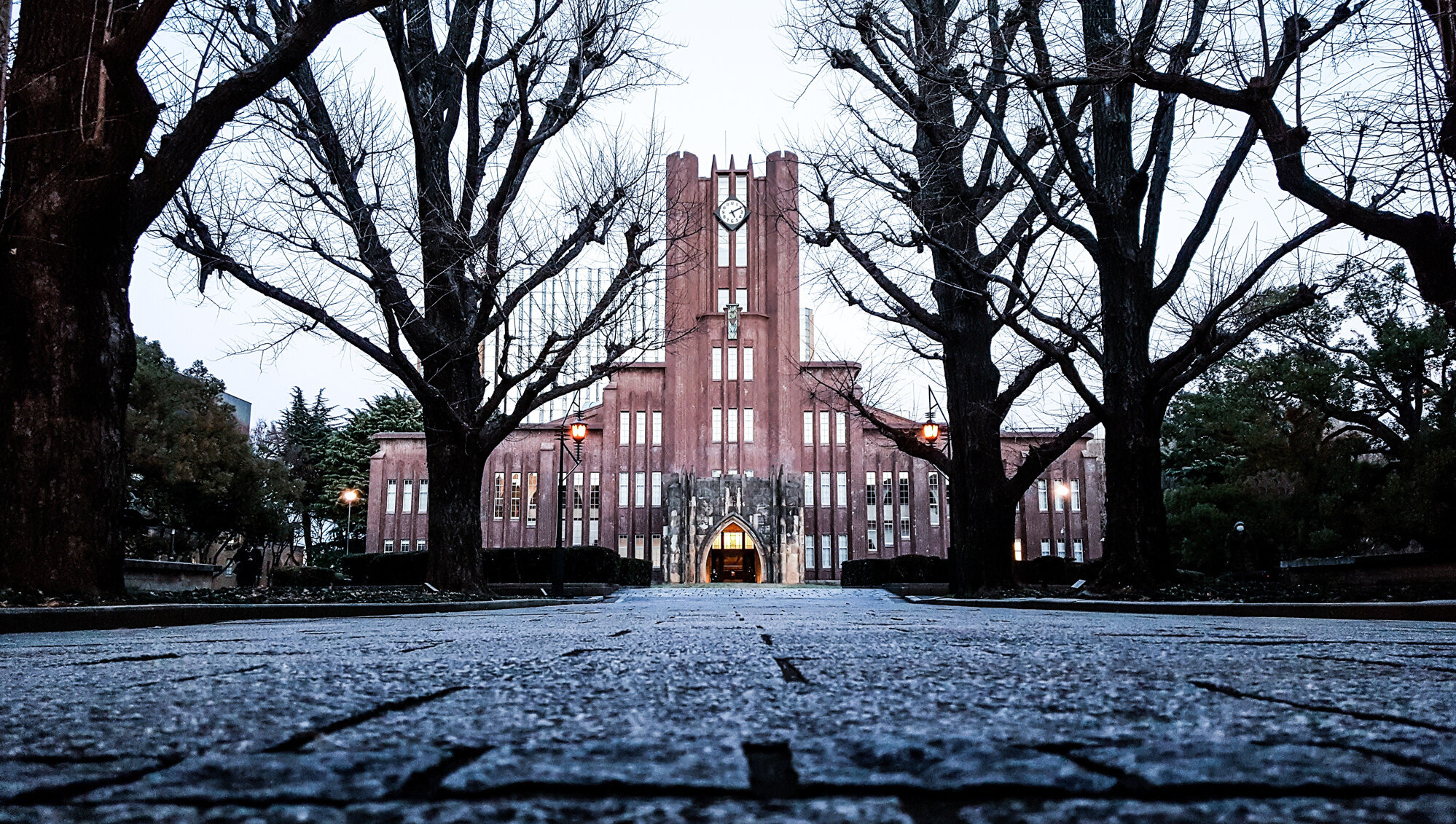
Yasuda Auditorium, University of Tokyo
Traces of History Hidden in Plain Sight
- Are there places where you still notice traces of the area's history today?
My family's business was originally in scrap metal, so when I go to a train station, the first thing I do is look up.
- Up?
At the beams. In older stations, railroad rails were often reused as structural beams. If I see beams made from straight sections of rail, I think, "This station must be old." Take a look sometime. You'll often find them near the roof. In the scrap-metal trade, rail tracks are measured by weight per meter. For example, a main-line rail might weigh around 100 kg per meter. Since construction methods like that are no longer used, when I spot them I immediately think, "This is an old building," or "This must date from that era." That's just how I tend to see things.
Calling Places by Their Historic Names Again
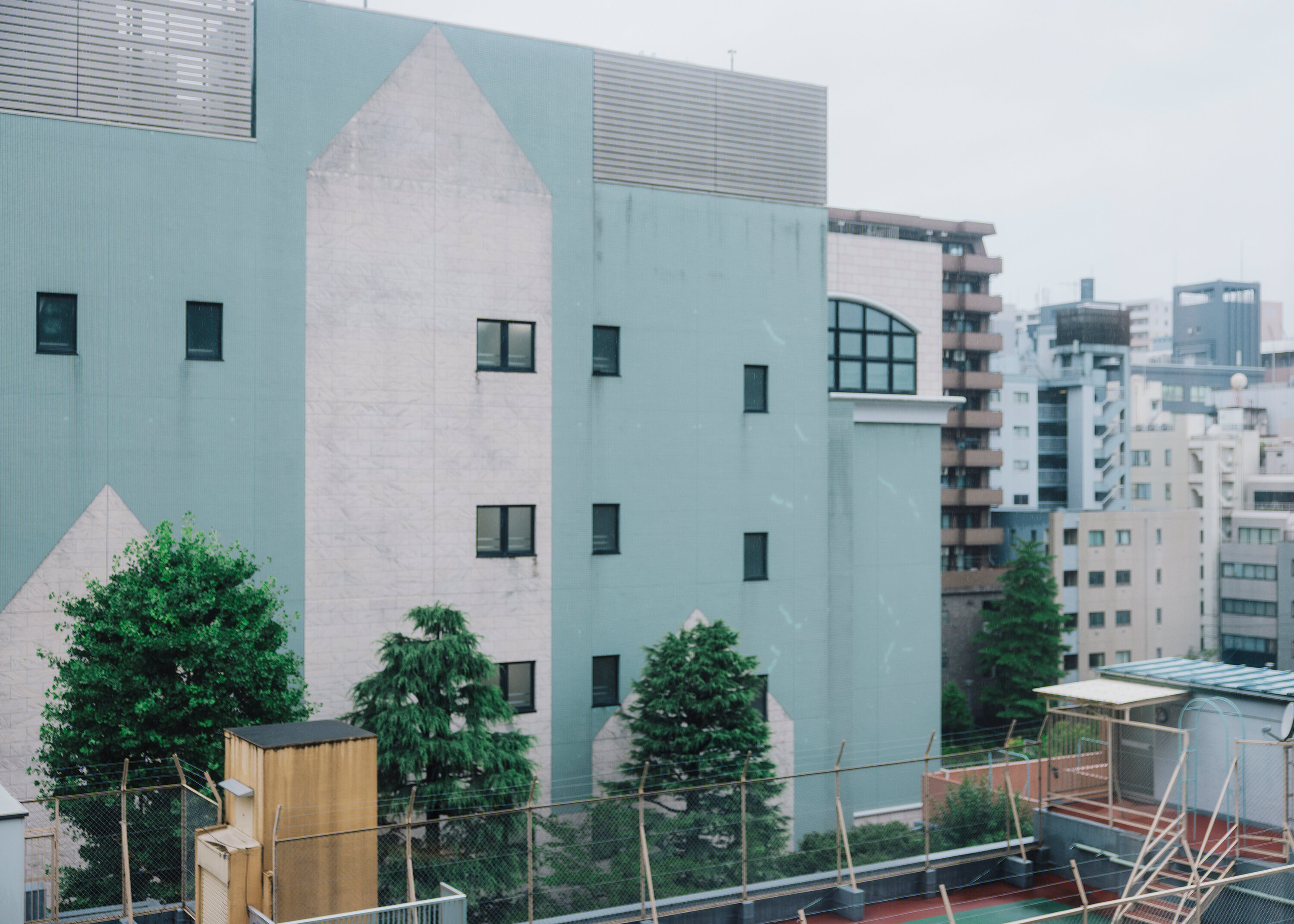
That elementary school you see over there, Shohei Elementary School, was originally called Horin Elementary School before merging with Awajicho Elementary School. The name "Shohei (昌平)" can also be found nearby in places like Shohei Bridge, and I've heard it traces its origins to a place in China associated with Confucius and the promotion of learning. These kinds of names carry history with them. Nowadays, with the internet making postal codes less important than they once were, I sometimes wonder if traditional neighborhood names might regain some of their significance.
- I suppose there's even a chance that some of the old place names could return.
That might be for the best. Place names embody the history of a community. Government officials are not always people who were born and raised there. Perhaps they don't have the same emotional attachment to the land. As a result, their perspective can differ from that of local residents. It might make a difference if people who have actually lived in the area were more involved. Recently, together with Chiyoda City, we created a barrier-free hazard map. Members of our Rotary Club even pushed wheelchairs and walked all the way to Tokyo Station to evaluate accessibility. But when you actually experience it for yourself, you realize there are still many places that are not friendly to people with disabilities.
- There are things you simply don't understand until you experience them firsthand.
Exactly. Tokyo is full of barriers, and walking the city yourself reveals many things that you would otherwise never notice.
A Changing Neighborhood Through Outside Eyes
- How do you view Akihabara today?
The neighborhood began to change around 2000, when maid cafés first appeared. More recently, not only have those establishments increased, but businesses connected to the adult entertainment industry have also become more visible. From my perspective, the atmosphere is quite different from the days when Akihabara was known primarily as an electronics district.
- Perhaps the spread of the internet also played a role.
That may be true. But what really surprises me is the people who come from overseas. I once guided a French high school student who was studying in Japan. It was his first visit, yet he knew an incredible amount about the country. I didn't really understand what he was looking at, but he seemed genuinely delighted by the figurines and collectibles.
It made me realize that people who dream of visiting Japan often do far more research than we imagine.
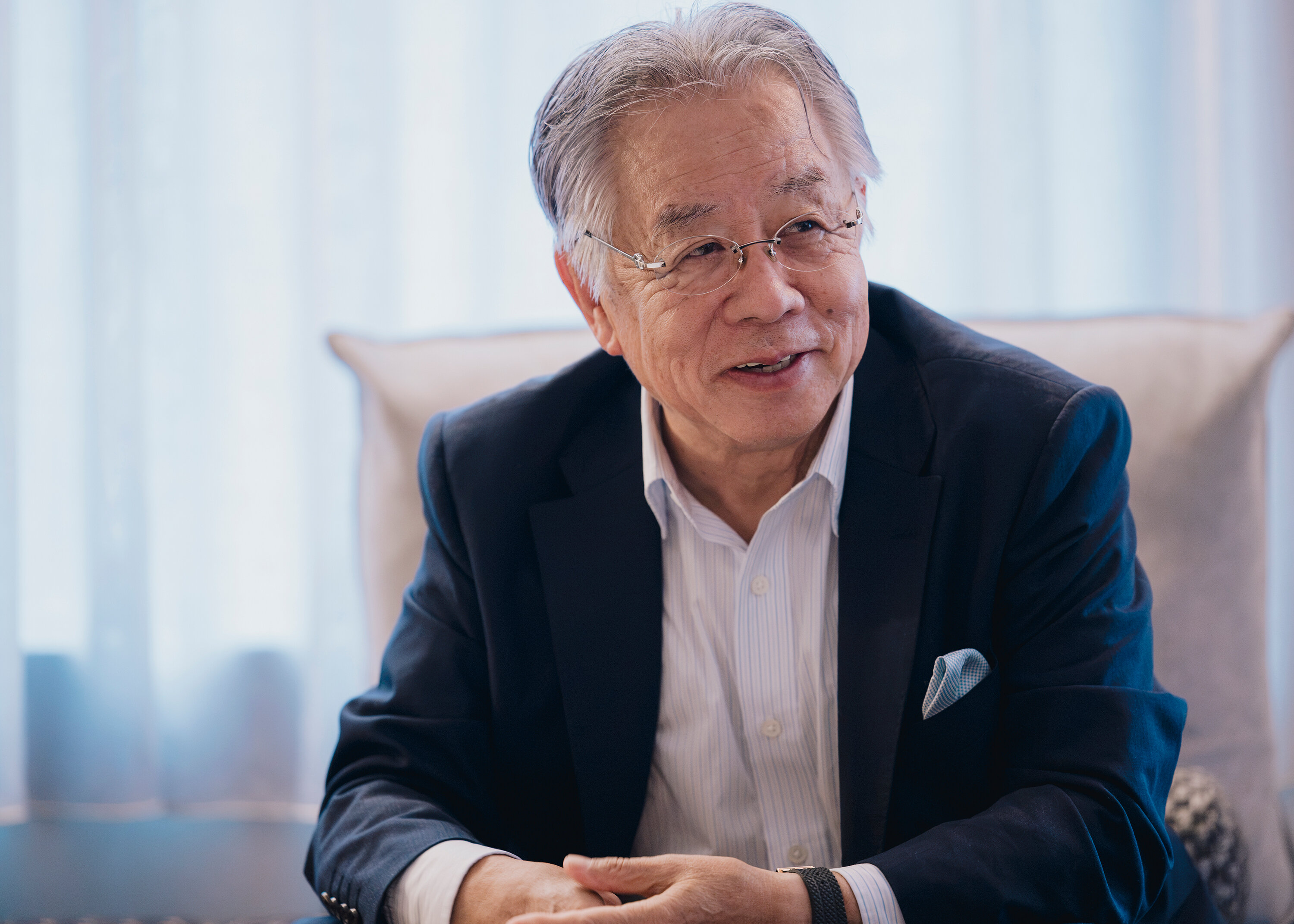
Through these conversations, we heard two distinct perspectives on the neighborhood: one from the viewpoint of a resident deeply rooted in the community, and another from a broader, more panoramic perspective. Both offered invaluable insights, reminding us that understanding a city's past and present from multiple angles is essential to shaping its future.
Profile
Isamiya Kanko Senden Co., Ltd.
Hideji Nakajima
Special Advisor
Re-Tem Corporation
Share this article


Nomura Real Estate Development Group
TOKYO
Other prefecture