There is also a plan with an airline ticket.



6 Eras of Akihabara: Nissho Musen
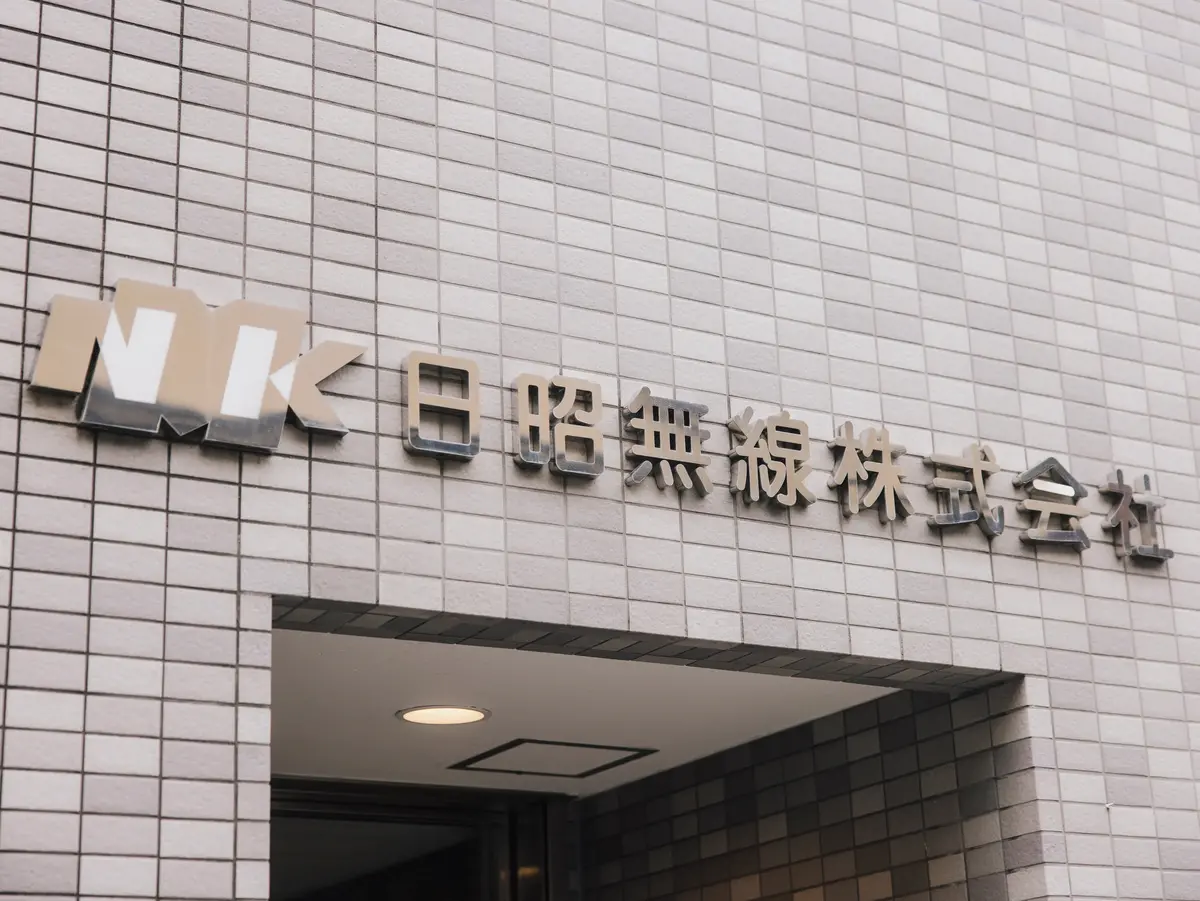
In this interview, we spoke with Katsutoshi Isano, Chairman of Akihabara electronics dealer Nissho Musen Co., Ltd. He shared stories of postwar Akihabara, from its black market days and the birth of Electric Town to the era of rapid economic growth.
From Radios to the Birth of Electric Town
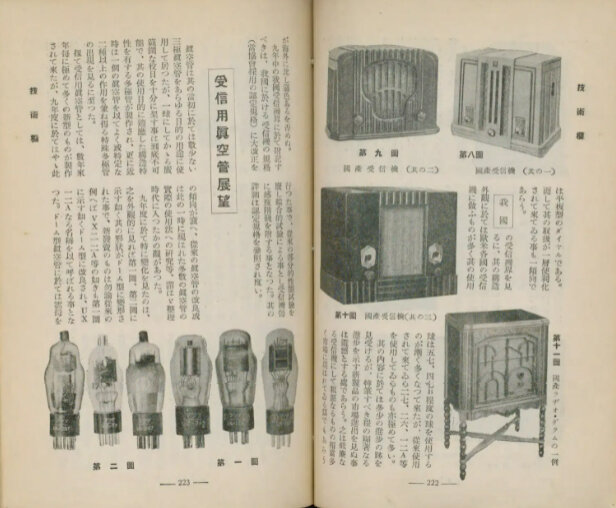
Back in the day, it wasn't about PCs or household appliances. Vacuum tubes were the mainstream. Semiconductors didn't even exist yet. It was the era of crystal radios. Students from places like Tokyo Denki University would buy technical manuals, reading them while building their own radios. Materials were really hard to come by. Right after the war, electronics vendors in Kanda used to line up components on wooden boards, selling them like open air street stalls. But when the GHQ cracked down and cleared out the stalls, they were essentially told, "Go head over to the open fields." So they relocated to Akihabara, and that is pretty much how Electric Town got its start.
Back then, the people visiting the shops weren't young kids. They were people with actual knowledge of parts. The buyers were craftsmen and manufacturers, and most of them came looking to buy components or vacuum tubes.

The Postwar Black Market and Vacuum Tubes
After the war, securing vacuum tubes became a massive business. They were extremely hard to get even in Akihabara, so the place everyone relied on as a supply source was the US military camps.
- I see, what they called the black market.
When I first arrived in Akihabara, vacuum tubes were still remarkably scarce. It was right around the time semiconductors were starting to appear, and for the first time, students began coming to the shop. However, for people running actual businesses, vacuum tubes were still essential for building industrial equipment. Semiconductors were far too expensive at the time, so they had no choice but to keep procuring vacuum tubes. Naturally, because vacuum tubes were in short supply, they sold at premium prices! Something you stocked for 100 yen could easily sell for 1,000 or 1,500 yen.
It was an era where if you had goods to sell, you made good money. My older brother was the previous chairman, and he would wrap vacuum tubes in a furoshiki (traditional wrapping cloth) and take a taxi around to visit clients. Just one furoshiki full of tubes could feed you for an entire month! If you held precious vacuum tubes, that alone was a business. Whoever held the procurement routes held all the power.
Of course, that was only temporary. As the era shifted toward semiconductors and integrated circuits, the price of vacuum tubes dropped. When technology changes, business changes. That is just the nature of this industry.
Memories of the Former Kanda Market
Around 1951, oxen were still pulling carts, but streetcars were running too. Back then, when New Years came around, people would make deliveries using handcarts. Around that time, I often visited the Yacchaba (the former Kanda Market) to grab a bite to eat. A lot of local folks went there regularly, and over time, we became close friends with the market workers. I didn't personally, but the older guys even got into a few friendly scuffles with them!
Company Names Tell a Story
What is fascinating is that if you look at a company's name, you can pretty much guess its history. In the old days, many companies were named "Dengyo" (Electric Works). After that came "Denki" (Electrical) or "Denki Sangyo" (Electrical Industry). As times advanced further, the word "Musen" (Wireless or Radio) appeared, followed by "Denshi" (Electronic), and eventually loanwords like "Electronics." A company with "Dengyo" in its name is easily over 70 or 80 years old in Akihabara.
- It is fascinating how names reflect the era. By the time loanwords like "Electronics" came around, it feels like Space Invaders arcade games were about to hit the scene.
Oh, Space Invaders! I used to play that all the time at kissatens (a traditional Japanese coffee shops). Slacking off just a little bit.
Ideas and Technological Development
During the bubble economy years, the mindset was: "Hurry up and build it!" It was an era where the harder you worked, the more money came in.
Old miniature TVs used cathode ray tubes, so even though the screen was tiny, the back was super long! Then came novelty products like binoculars with integrated radios. You could watch a baseball game while listening to the live commentary through an earphone. All these inventive products started popping up. But because technology advanced so rapidly, many of these products had a short lifespan. It was a constant cycle of rise and fall.

Going Out on the Town
A long time ago, there was a buckwheat noodle shop called Tokyoan along the Sobu Line. An older local guy would sit there at noon, sipping hot sake and eating noodles. I was so envious watching that, thinking, "Man, I want to be like that when I grow up."
- You have a few regular spots around town, and we are so grateful that NOHGA HOTEL's restaurant is one of them.
No, no, before I even knew it, I somehow became an ambassador for you guys! You even went ahead and made a business card for me! But setting aside the restaurant's great service, you really have to be in the right mood and genuinely click with a place for it to work.
- Interviewing you today, beyond your perspective as a business owner, I noticed how frequently you step out into the neighborhood. Do new encounters lead to things you would like to pursue in the future?
I would actually love to try something completely different from my current industry. Nothing is set in stone yet, but I want to do something I personally find interesting, not just copying someone else's success. Up until now, meeting new people has often organically turned into business opportunities. Even if you are in different industries, those paths can connect in so many ways down the road. But you should not do it just expecting a payout. If you find something you want to do right now and just do it, it will always end up connecting nicely somewhere. The electronics industry itself expanded by fusing electricity with completely different fields, after all.
Even things that seem completely unrelated or disconnected at first glance can weave together given the right spark. Just as Isano-san once looked up to that older gentleman enjoying a quiet moment at a local noodle shop, a new generation of young people will surely come to look up to Isano-san's inspiring path.
Share this article


Nomura Real Estate Development Group
TOKYO
Other prefecture