There is also a plan with an airline ticket.



6 Eras of Akihabara: Kanda Myojin Shrine
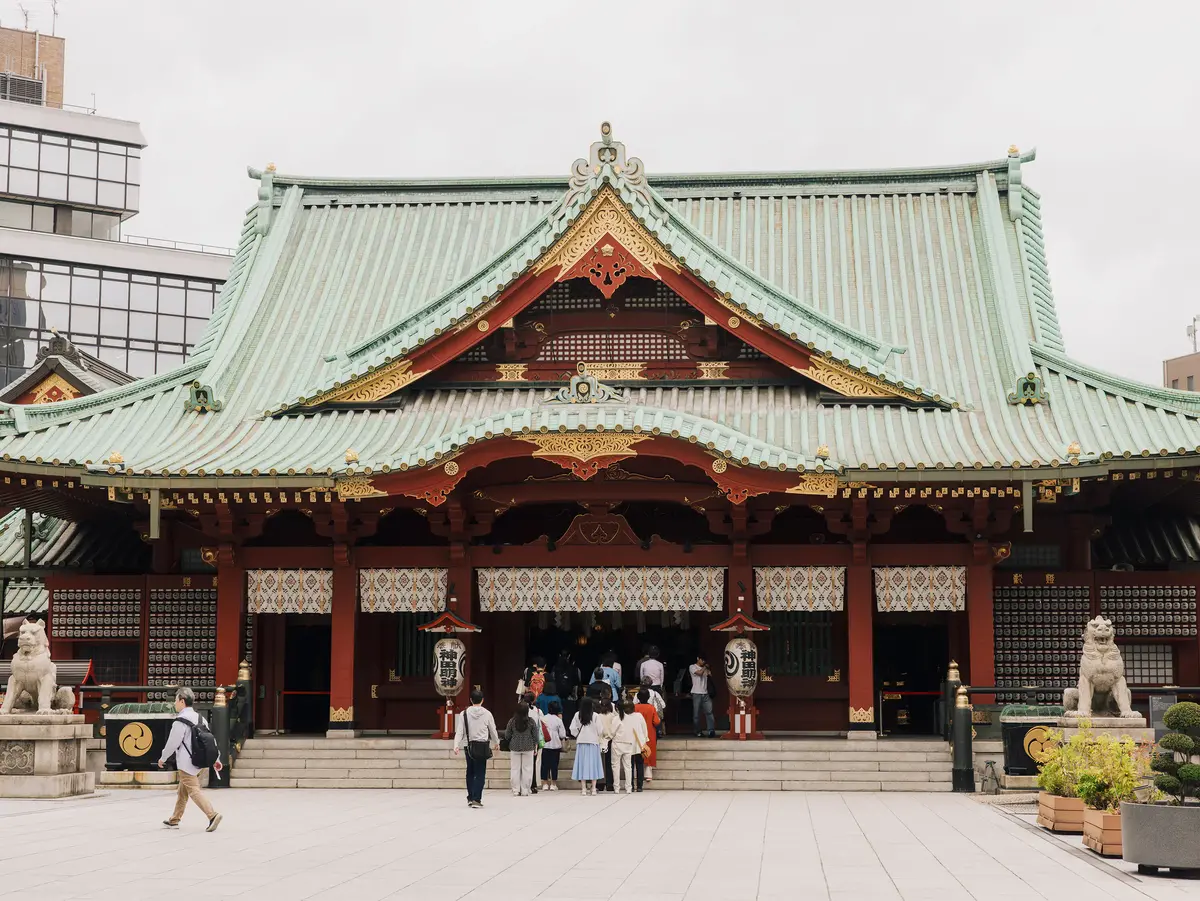
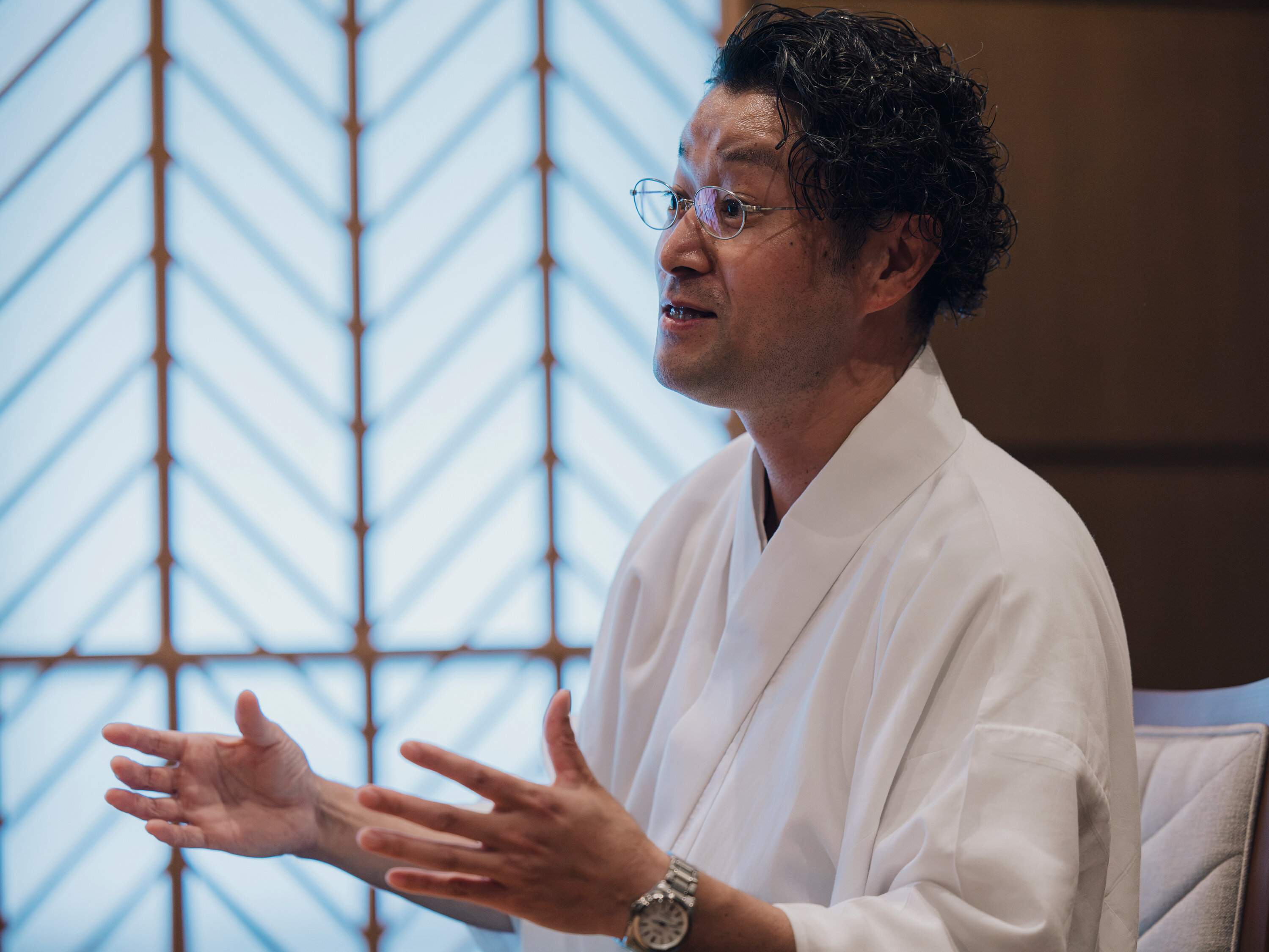
In this article, we spoke with Teppei Kato, a Gonnegi (shinto priest) and public relations representative at Kanda Myojin. He shared with us the rich history of Kanda Myojin, the origins of local neighborhood names, traditional festivals, and the true roots of the name "Akihabara."
The History of Kanda Myojin
Kanda Myojin wasn't always located here, it moved to this spot about 400 years ago. The shrine was originally founded 1,300 years ago, back in the year 730. It all started when people from the province of Izumo migrated to Shibasaki in Musashi Province (present-day Otemachi) to pioneer the eastern lands. They enshrined their hometown deity, Onamuchi-no-Mikoto from Izumo Taisha, and that is said to be the origin of Kanda Myojin. So for quite a long time, it actually sat right in Otemachi.
Tracing History Through Neighborhood Names
Ever since I took charge of the Akihabara region, one thing that left a really deep impression on me was the neighborhood names in the Soto-Kanda area. To tourists, these places might just be known by block numbers like "1-chome" or "2-chome." But locally, neighborhood associations have preserved old names dating back to the Edo period, and those traditional names are very much alive today. Locals don't refer to places by block numbers; they'll say things like, "Over here is Suehirocho," or "From this line onward, it's Matsutomicho." I found a truly refreshing charm in how this hidden, subtle culture remains alive beneath the surface. When I first joined the shrine, I was introduced to the heads of the local neighborhood associations, though I'll admit it was pretty tough learning all the traditional boundaries at first!
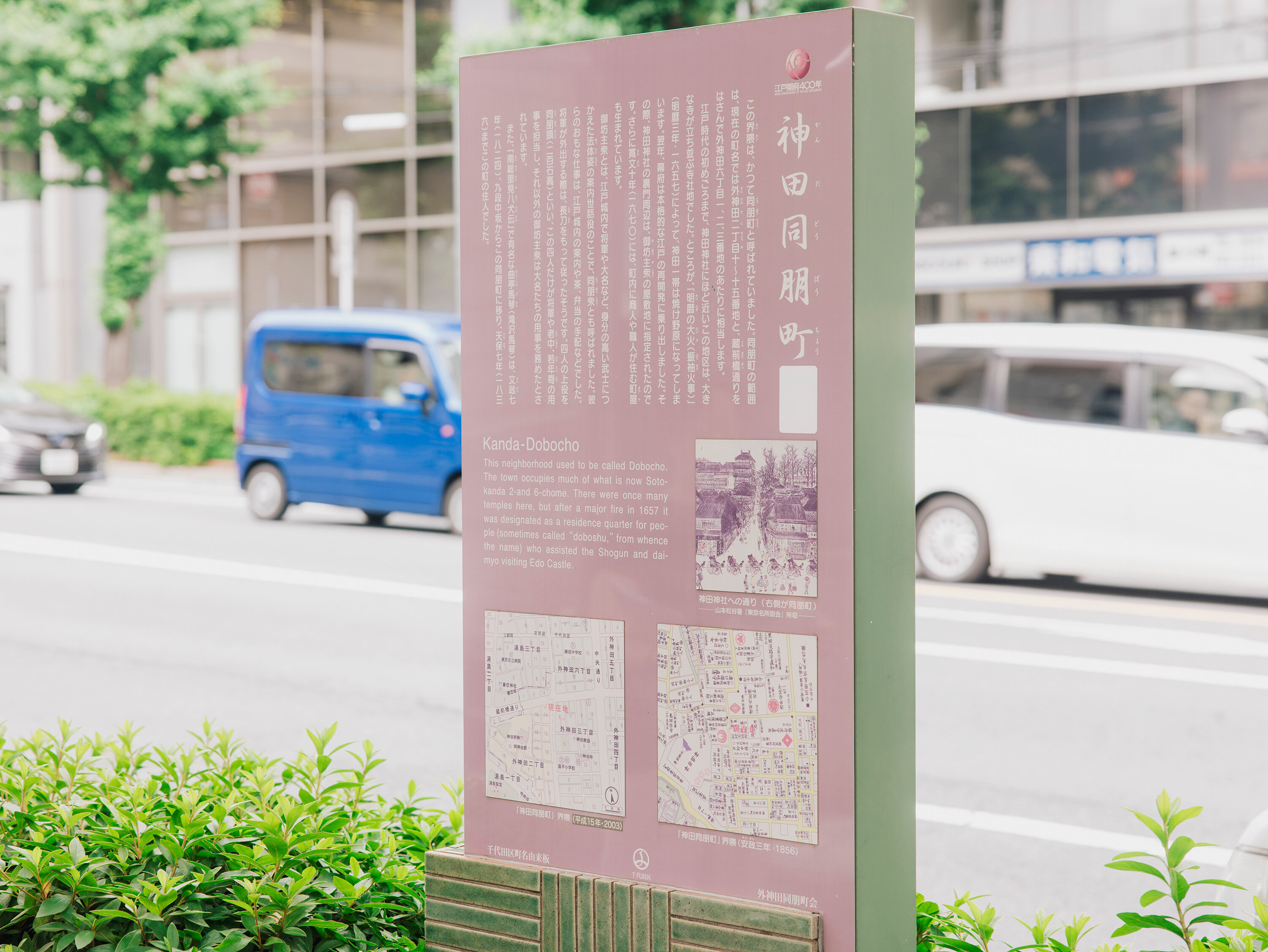
For instance, the name Jindaikai comes from combining the character "Jin" (神from Kanda Myojin, also read as Jin) in Kanda Myojin with the "Dai" in Odaikoromachi (kitchen town). Dohocho got its name because it was home to the Dohoshu--young monks who handled various odd jobs. Kanazawacho is a remaining trace of the old Kaga residence, whose lord resided in a castle in Kanazawa. Every single neighborhood name carries history, and every name has a reason for being. Although land reorganisation in 1964 consolidated the official address into "Soto-Kanda," locals still take immense pride in these historical names and use them in daily conversation. By the way, there are information boards posted around the streets introducing the origins of Chiyoda Ward's neighborhood associations, so going on a stroll just to explore these old names can be a lot of fun.
Speaking of history, another fascinating fact is that the area in front of Akihabara Station used to be a Yacchaba, the former Kanda Market. As you walk through the neighborhood today, you'll spot an egg wholesaler, a cardboard packing company, a mandarin orange supplier, and a fruit parlor in Matsutomicho. Walking through town with the knowledge that a produce market once stood here completely changes your perspective. It's not just about finding a delicious fruit parlor. You realize that the parlor serves top-tier fruit precisely because it carries on the neighborhood's rich history.
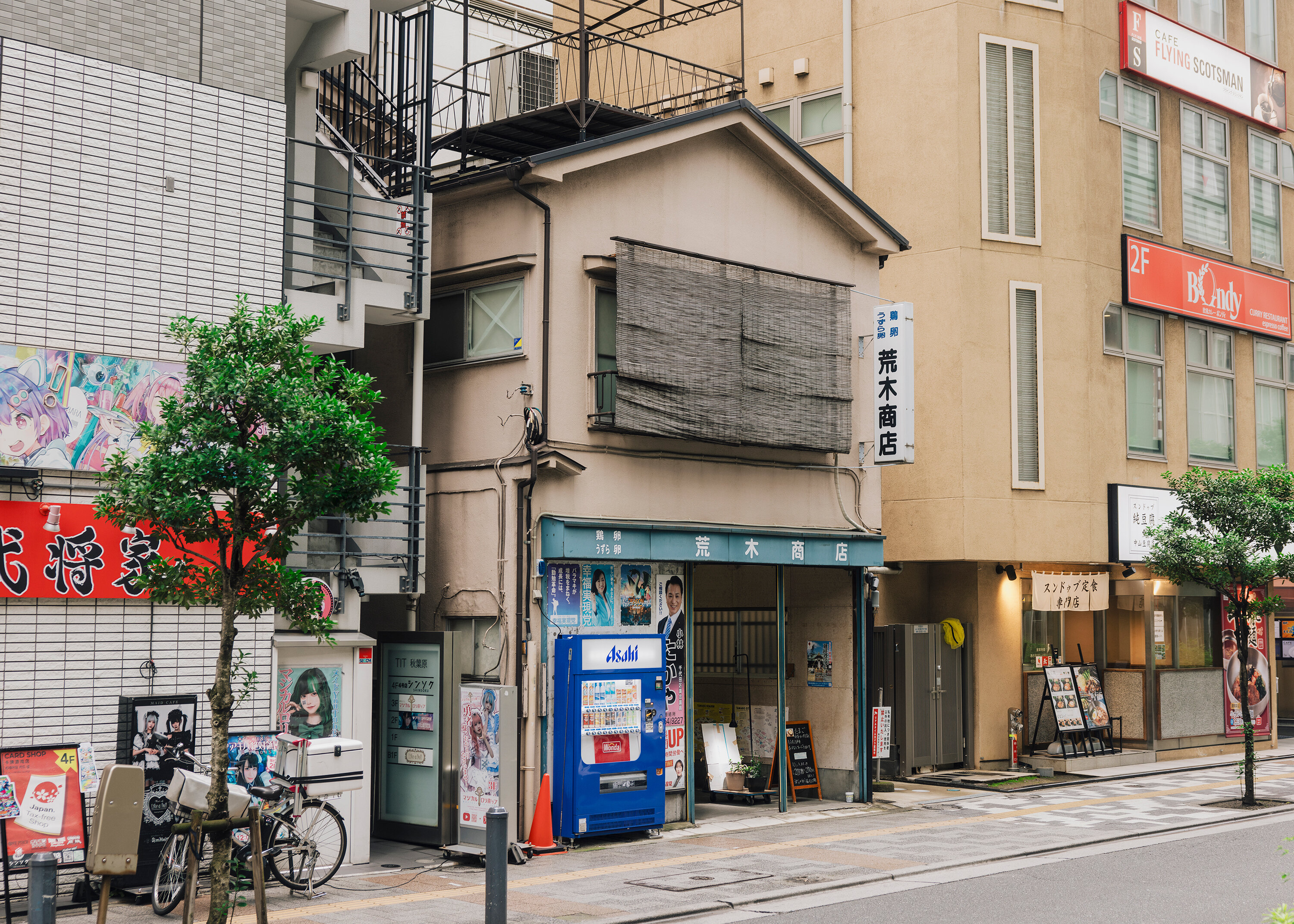
* Araki Shoten, a long-established egg wholesaler located in Soto-Kanda 4-chome (formerly Kanda Tashirocho).
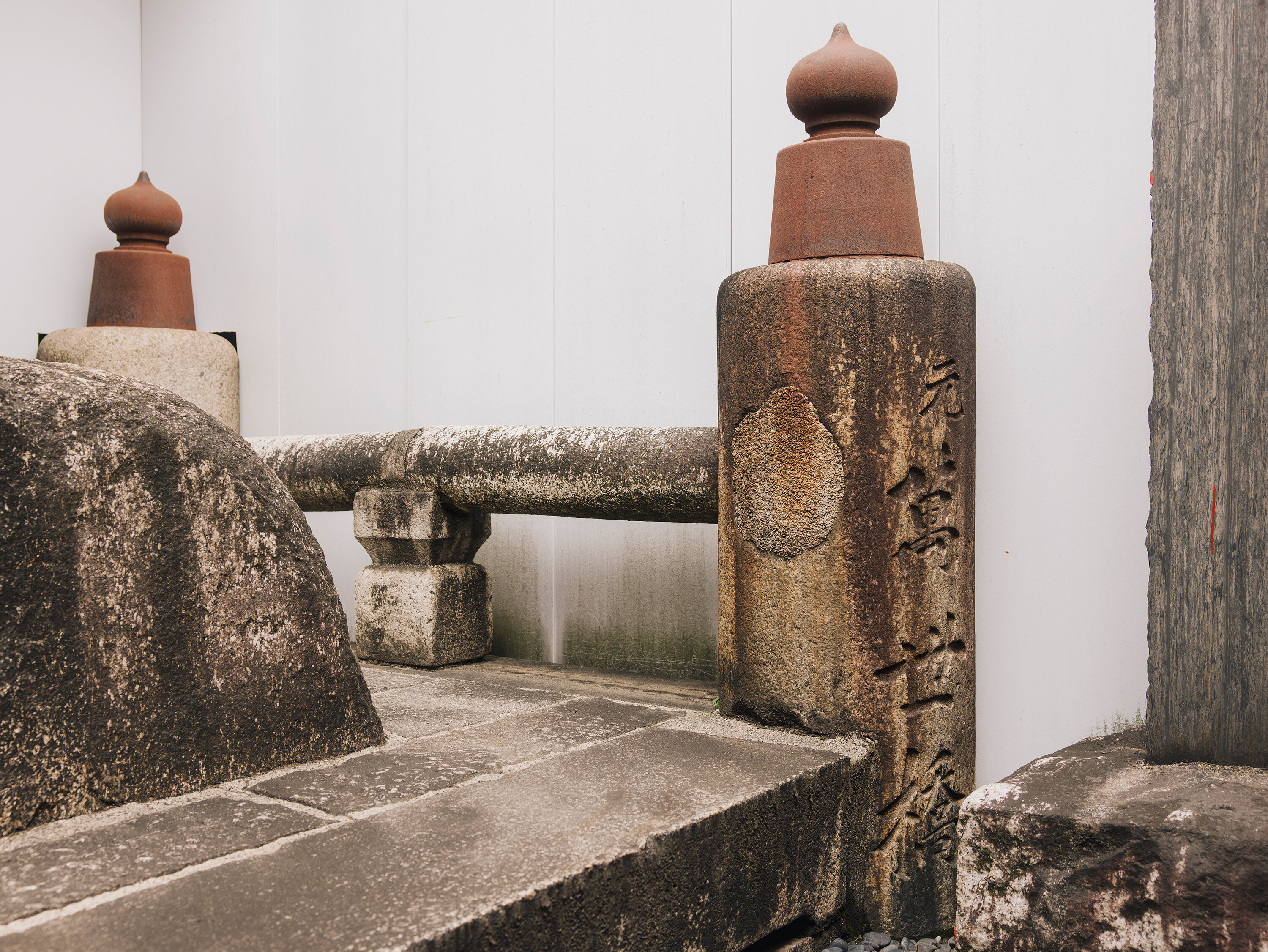
On top of that, this area used to feature boat docks and the old Manseibashi Station, which no longer exists today. Traces of that thriving logistics hub are still visible all around. While Manseibashi Station itself was dismantled when Tokyo Station was built, the stone railing from the original Manseibashi Bridge actually sits right here on the grounds of Kanda Myojin.
The Origins of the Name "Akihabara"
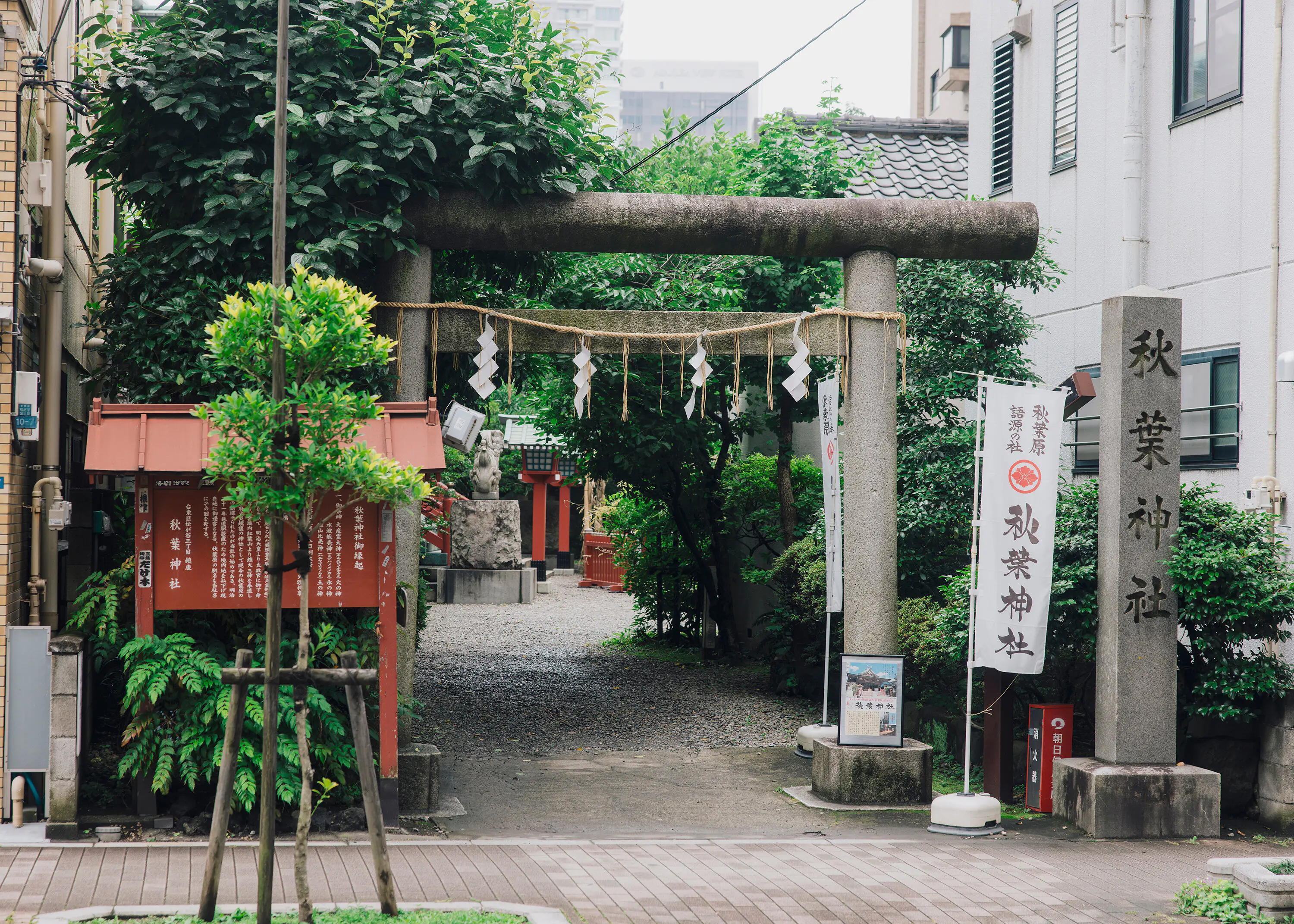
Over in Taito Ward, there is a shrine called Akiba Shrine, which was originally located right here in Akihabara. It was relocated to its current spot when Akihabara Station was built. Akiba Shrine is particularly famous for its Chinkasai (fire-extinguishing festival), and every year, young Shinto priests from Kanda Myojin go over to lend a hand. Historically, Akihabara was known as a neighborhood dedicated to fire prevention. The name originates from Akibagahara, a designated firebreak clearing, which eventually evolved into the place name "Akihabara." If you're curious about the true roots of Akihabara, visiting Akiba Shrine's Chinkasai or their Hiwatari (fire-walking ritual) will give you a much deeper understanding.
Edo Festivals and Edo-gata Dashi Floats
- Could you tell us about any upcoming initiatives or announcements?
As part of our 1,300th-anniversary project, we are planning a major restoration of the main shrine building. Alongside that, we are putting strong effort into preserving and passing down Edo's festival culture.
While the Kanda Matsuri is widely known today as a festival centered around mikoshi (portable shrines), back in the Edo period, it was actually a festival centered around magnificent dashi (festival floats). However, as modern urbanization progressed, the rise of overpasses and elevated train tracks made it impossible for huge floats to pass through. Out of sheer necessity, the festival gradually transitioned into a mikoshi celebration over time.
Nowadays, people associate Tokyo festivals primarily with mikoshi. Many of the original festival floats were sold off to other regions, and they are still preserved and pulled today in places like Saitama, Chiba, and Kanagawa, the Kawagoe Festival being a famous example.
The true origin of Edo festival culture lies in these floats. That's why Chiyoda Ward is actively working to revive the heritage of Edo-gata Dashi (Edo-style floats). We as Shinto priests are also working to bring Edo's tangible festival culture back to life. Last year, we held an Edo Festival Seminar, inviting representatives who preserve float culture across the country to display float puppets and deliver lectures. We plan to host it again this August.
Going forward, we want to deepen these connections. By communicating with people nationwide who carry on float and Edo traditions--and by collaborating with both Kanda Matsuri and Sanno Matsuri, which were once the twin pillars of Edo festival culture--we hope to physically bring the spirit of Edo festivals back to life.
By the way, Edo-gata Dashi floats have a very unique feature. Because they needed to enter Edo Castle, they were ingeniously engineered to fit through the castle gates. The puppets on the second and third tiers could dynamically move up and down using a complex clockwork mechanism. Back then, neighborhoods competed fiercely to craft the most lavish puppets and floats.
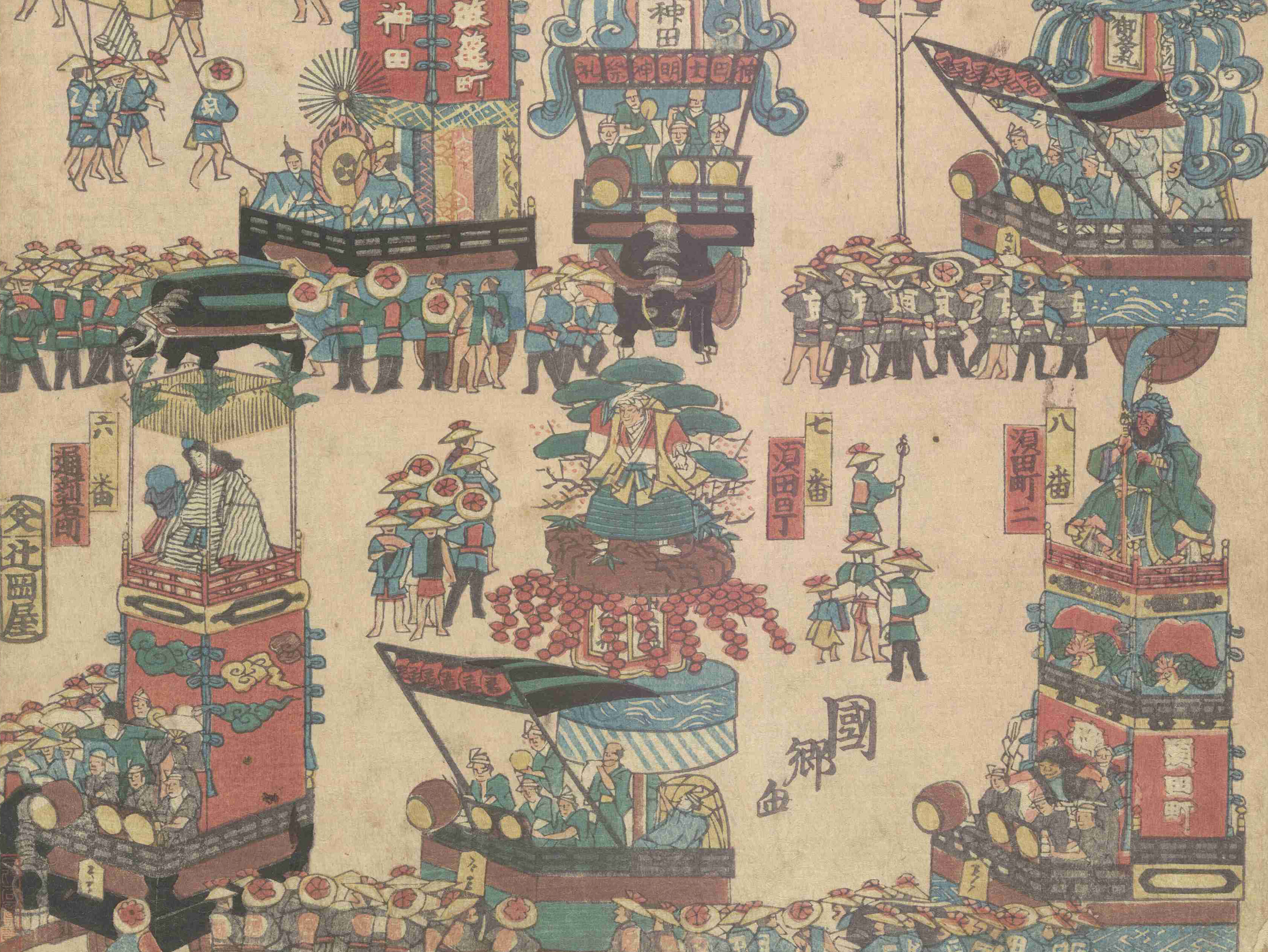
*"Kanda Daimyojin Gosaireizu" (Illustration of the Festival of Kanda Daimyojin), Tokyo Metropolitan Central Library
- Was this dynamic float culture supported by a thriving puppet-making craft at the time?
Absolutely. From the mid-to-late Edo period, there were famous puppet master craftsmen who actively competed to outdo one another's skills.
- The way this culture developed feels very similar to Ukiyo-e woodblock prints. Taking inspiration, having a real-world model, and reproducing it. It feels like a distinctly "Edo" way of fostering culture.
Exactly. The motifs weren't strictly limited to auspicious symbols or good-luck charms either. Popular characters from Water Margin (classical Chinese tales), legends from distant lands, and even local neighborhood heroes were turned into float puppets. For example, the puppet of "Kumasaka Chohan" - a Chiyoda Ward Designated Cultural Property kept in our museum - was once pulled during the Kanda Matsuri. Even though Chohan was famous for being a legendary bandit, people thought, "He's cool, he's got style (iki)," and turned him into a puppet anyway. Embracing cutting-edge trends and celebrating what's popular is perhaps one of the greatest charms of Edo culture.
As times change, people come together to honor and carry forward age-old traditions, reminding us that it is the people who shape both culture and the town itself. The next time you walk down a street corner, taking a closer look at your surroundings might just make the city feel that much more fascinating.
Share this article


Nomura Real Estate Development Group
TOKYO
Other prefecture